















Short answer: a wireless alarm system is the best choice if you don't want to or aren't allowed to drill, if there's no fixed internet connection on site, or if you want to secure something no cable runs to: a shed, business premises, motorhome or boat. The difference is greatest in six situations.
Our solution
A solution for every situation
From rented home to warehouse and from motorhome to boat: wireless, easy to install yourself and with no monthly fee.
View all solutions
You can read about the general advantages of wireless — no cables, quick to install, expandable — in What are the advantages of a wireless alarm system?. This article turns it around: in which situations does wireless really make the difference, and when is something else the better choice?
| Situation | What it's about | What to look out for |
|---|---|---|
| Rented home | No drilling, take everything with you when you move | Stick-on sensors |
| Apartment | Few entrances, a small kit is enough | Front door and balcony door |
| Second home | Often no fixed internet connection | SIM card for alerts |
| Shed or garage | Distance to the house | Long-range sensors |
| Business premises or warehouse | Large spaces, thick walls | Range and backup |
| Motorhome or boat | No mains power, no Wi-Fi | 12V power and SIM card |
1. You rent your home
In the Netherlands, tenants are generally allowed to make changes themselves that can easily be undone when they leave, but drilling holes and running cables for a wired system is a different matter. A wireless system gets around that: you stick the LockSense door and window sensors onto the frame with the included sticker, without screws. If you move, you take the whole system with you to your next address.

Sticking instead of drilling also means you can easily shift things around until the spot is right. If a sensor isn't quite right, you take it off and place it a little further along. Read more about this situation on the page alarm system for a rented home.
2. You live in an apartment
An apartment often has only a few entrances: the front door, a balcony door and perhaps a ground-floor window. A small kit with a control panel, a few door/window contacts and a motion detector in the hallway already covers that. Because everything is wireless, no cables run through shared areas or along skirting boards. See also alarm system for an apartment.
3. You have a second home without internet
A holiday home or chalet is often empty for weeks, and that's exactly where Wi-Fi is far from always available. A system that only sends alerts via the internet is then of no use to you. The ShieldLink Pro control panel has an optional SIM card: in the event of an alarm you get a text message or a call, even if there's no Wi-Fi or the power fails. The control panel has a backup battery that lasts up to 24 hours. Read more at alarm system for a holiday home.
4. You want to secure a shed, garage or summer house
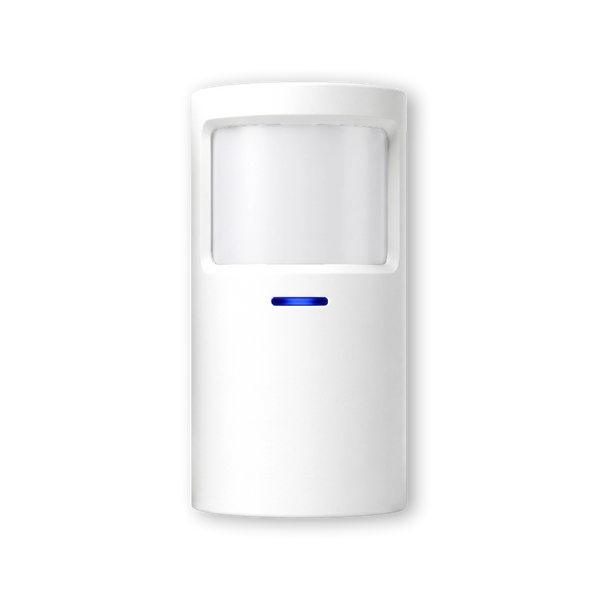
Running a cable to a shed at the bottom of the garden is a lot of work. Wireless is the only practical option, as long as the signal reaches the control panel. Neroo's Elite sensors use LoRa and reach a range of up to 500 metres, even through walls: the LockSense Elite on the door and the ShieldSense Elite inside. See alarm system for garage and shed.
5. You have business premises or a warehouse
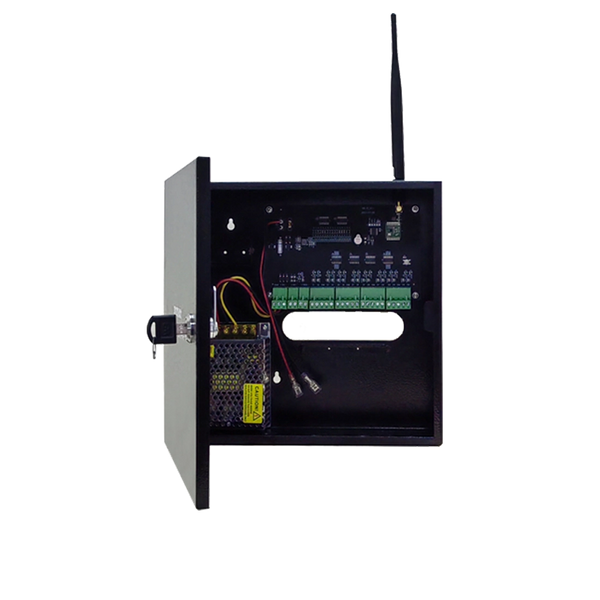
In a warehouse or business complex, distances are large and walls are thick. The ShieldLink Elite control panel is made for this: together with the Elite sensors, it bridges distances of up to 500 metres. With the optional SIM card, alerts come in by text message and phone call, even if Wi-Fi or power fails. See alarm system for a business.
6. You're often on the road with a motorhome or boat
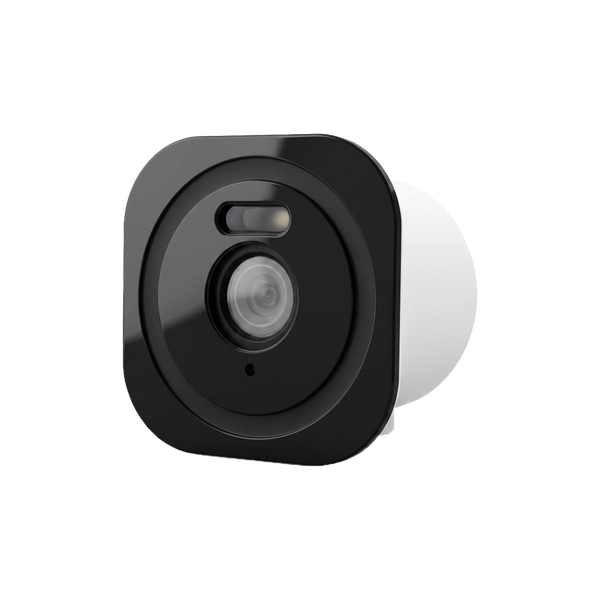
A motorhome or boat has no mains power and no fixed Wi-Fi. The CamperGuard Pro and the ShieldLink Marine run on the 12V battery with an included converter set, send alerts via a SIM card and are mounted with adhesive strips. In the event of an alarm, the siren goes off and the system calls the set numbers until someone answers. See motorhome and boat.
When wireless isn't the right choice
If your insurer requires a certified system installed by an accredited installer and connected to a professional monitoring centre, a DIY system won't meet that requirement. This mainly applies to businesses with a high risk profile and to some home insurance policies with a high contents value. In that case, read your policy conditions first, or check with your insurer, before you buy anything.
So who is a wireless alarm system the best choice for?
A wireless alarm system is the best choice if you don't want to or aren't allowed to drill, there's no fixed internet connection, or you want to secure an outbuilding, business premises, motorhome or boat.


Our solution
A solution for every situation
From rented home to warehouse and from motorhome to boat: wireless, easy to install yourself and with no monthly fee.
View all solutions
Frequently asked questions
Can I install an alarm system as a tenant?
In the Netherlands, tenants are generally allowed to make changes themselves that can easily be undone when they leave. A wireless system with stick-on sensors usually falls into that category. If in doubt, read your tenancy agreement or check with your landlord.
Can I take a wireless alarm with me when I move?
Yes. The system is yours; you remove the sensors from the frame and place them again in your new home.
Do I need Wi-Fi for a wireless alarm system?
Not necessarily. The sensors communicate wirelessly with the control panel, independently of your Wi-Fi. For alerts when you're away you need Wi-Fi or a SIM card; with a SIM card you get a text message or call, even without internet.
Is a wireless alarm suitable for an outbuilding?
Yes, as long as the signal reaches the control panel. For a shed or garage further away, there are sensors with LoRa, with a range of up to 500 metres.
When is a wireless alarm not the right choice?
When your insurer requires a certified system installed by an accredited installer and connected to a professional monitoring centre. In that case, read your policy conditions first.
Sources and references
- Rijksoverheid (Dutch government), Can I alter or renovate my rented home? (in Dutch) — consulted September 2026
- Neroo.nl, Product data LockSense, ShieldLink Pro, ShieldLink Elite, Elite sensors and CamperGuard Pro


