















Already have a smoke detector?
It can't detect carbon monoxide. Different danger, different sensor.


Door/window contact
Recommended
Door/window contact
Elite
Door/window contact
Elite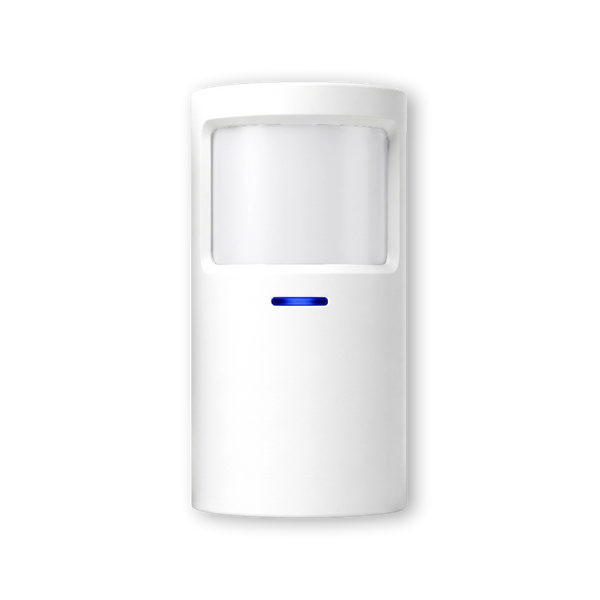
Motion detector

Glass break detector
Budget
Motion detector
Recommended
Motion detector
Recommended
Motion detector
Nieuw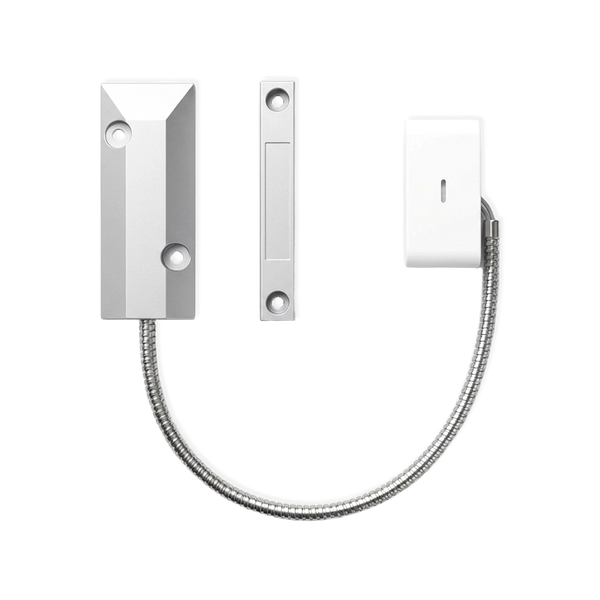
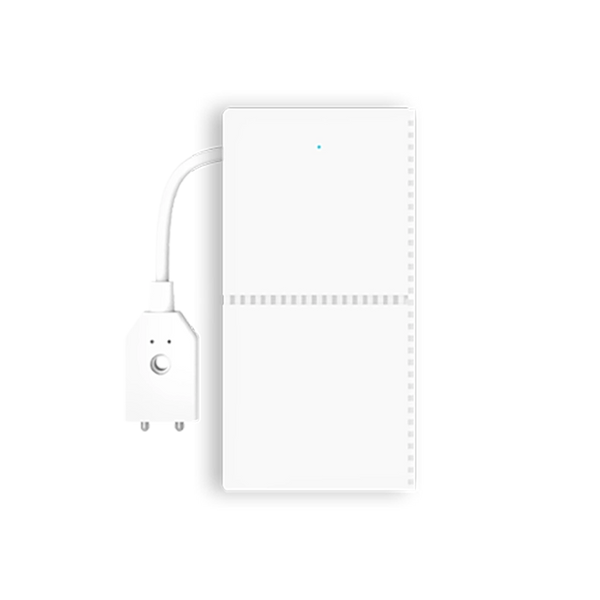
Roller shutter & garage door sensor
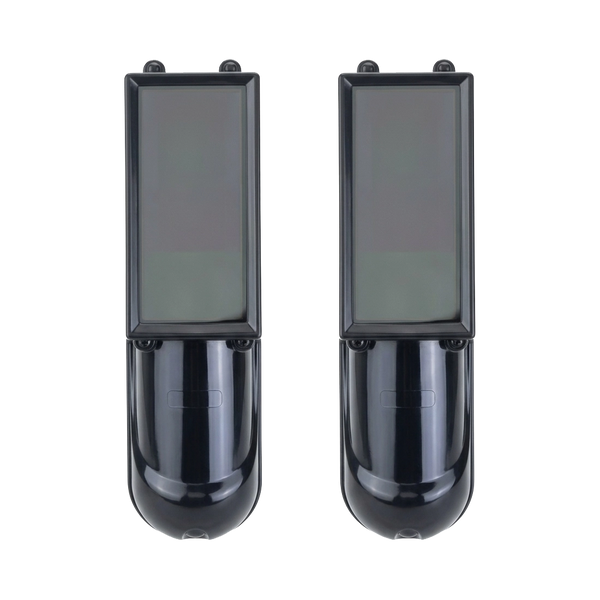
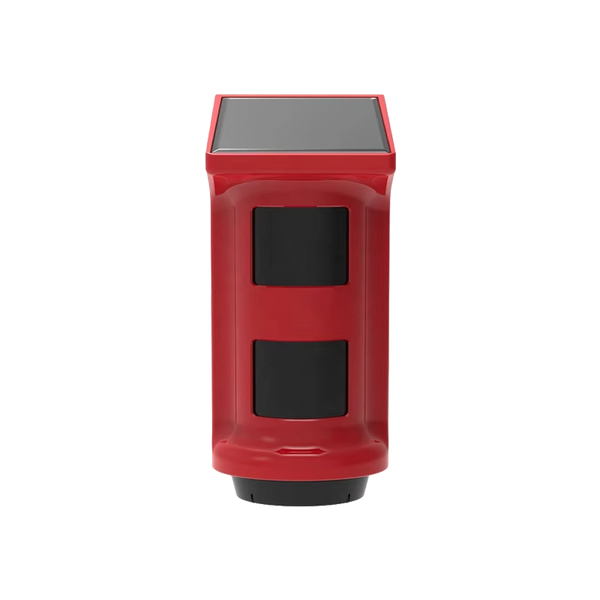
Infrared beam barrier
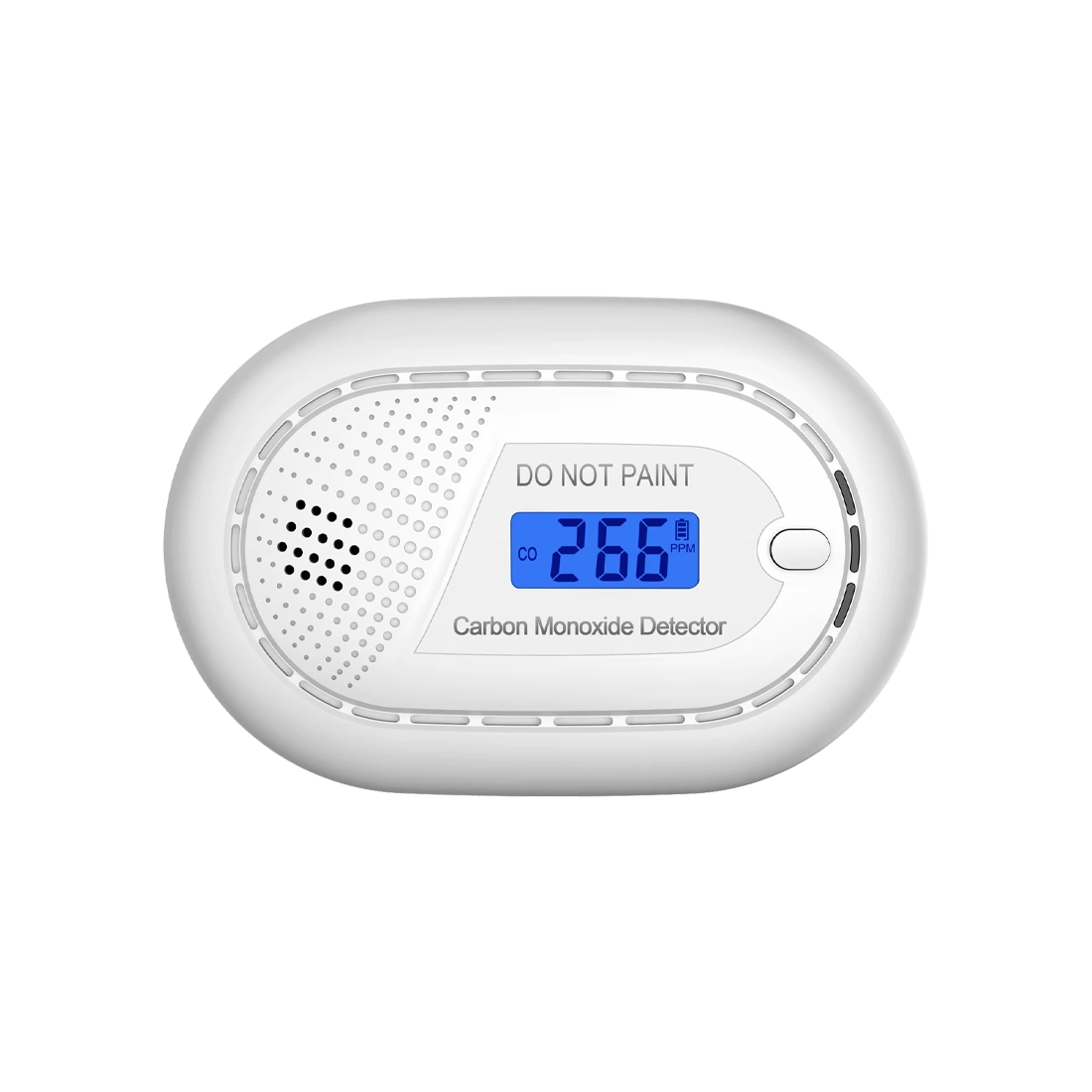
Colourless, odourless and tasteless — you only notice carbon monoxide once you already have symptoms. The CarbonAlert® measures continuously, sounds an 85-decibel alarm and sends an alert to your phone via the free app. For up to ten years, on one sealed battery.
Pick a kit as your starting point and tailor it to your home.
Pay once. The system is 100% yours.
Try it at home at your own pace. Not satisfied? Return it for free.
Stick, pair, done — in around 30 minutes.
Get quick help via WhatsApp or phone.
It can't detect carbon monoxide. Different danger, different sensor.

Any appliance that burns fuel can give off CO.

CO won't wake you up. The siren will.

Ten years on one sealed lithium battery.
In every room with a fuel-burning appliance — boiler, water heater, gas heater, wood stove or open fire — and near the bedrooms if they're on a different floor. Unlike a smoke detector, a CO detector doesn't belong right up against the ceiling: carbon monoxide mixes with the air. Keep it at roughly breathing height and at some distance from the appliance itself. The manual gives the exact distances for your situation.
Usually, yes. One near the fuel-burning appliance, and one near the bedrooms if they're on a different floor. Carbon monoxide spreads through the whole house, but you want to be warned before it reaches your bedroom.
No. A smoke detector sees smoke particles; a CO detector measures a gas you can't see or smell. Two different dangers, two different sensors — you need both. In the Netherlands, smoke detectors have been mandatory on every floor since July 2022; there's no such requirement for CO detectors, but that doesn't make the risk any smaller.