















Short answer: You prevent motorhome theft by making three things difficult at once: driving away (certified mechanical locks), working unnoticed (an alarm that alerts you immediately) and the spot itself (guarded or fenced storage, visible and well lit). Any single measure can be got around. The combination costs time, and time is exactly what a thief doesn't have.
Our solution
Alarm system for your motorhome
Works without Wi-Fi: with a SIM card in the panel, you get a text message or phone call the moment something is wrong, wherever your motorhome is parked.
View CamperGuard
Key takeaways
- Vehicle theft is rising. In the Netherlands, 7,497 passenger vehicles were stolen in 2025, 12 per cent more than in 2024, with claims totalling €127 million.
- Around 55 per cent are recovered — which means almost half never come back.
- Motorhomes are deliberately targeted. The Dutch police reported dozens of motorhome thefts along the North Holland coast, mainly affecting foreign tourists.
- Combine mechanical and electronic. Stichting VbV (the Dutch insurance industry's foundation for tackling vehicle crime) recommends approved locks with ART or SCM certification (Dutch certification schemes for vehicle security) as well as a security system with the CCV quality mark (CCV: the Dutch Centre for Crime Prevention and Safety).
- The location matters more than you think: a car park with CCTV or security, visible and well lit.
- Take care when suspending the registration. A motorhome with a suspended registration may not be parked on the public road, and without insurance, theft is not covered.
To a thief, a motorhome is an attractive target: it is often stationary, sometimes for weeks on end, usually out of the owner's sight, and there are belongings inside. At the same time it is big and slow — and that is exactly where you can make a difference. Below, you'll find how to set things up so that driving away takes time, any attempt gets noticed, and you know about it straight away.
How often does it go wrong?
To be honest from the outset: there is no public annual figure that covers stolen motorhomes alone. The Verbond van Verzekeraars (the Dutch Association of Insurers) publishes figures by main category, and motorhomes are not broken out as a group of their own. What the trend does show:
| Category (2025) | Stolen | Change vs 2024 |
|---|---|---|
| Passenger vehicles | 7,497 | +12% |
| Light commercial vehicles | 2,055 | +6% |
| Motorcycles | 1,866 | −7% |
Figures from the Verbond van Verzekeraars for the Netherlands in 2025, published January 2026. Motorhomes and caravans are not listed as a separate category.
Two figures from the same publication are relevant to motorhome owners. The cost of claims for passenger vehicles rose by 38 per cent to €127 million — thieves are going after more expensive vehicles. And around 55 per cent of stolen passenger vehicles and light commercial vehicles are recovered. That's better than nothing, but it also means almost half never come back.
That motorhomes are deliberately singled out is clear from a Dutch police report about the west coast of North Holland: dozens of motorhomes had been stolen there in previous years, and further thefts followed in the spring of 2024. The vehicles had been left unattended in coastal towns and tourist areas — Julianadorp, Egmond aan Zee, Zandvoort aan Zee, Volendam — and the victims were mainly German, Swiss and Austrian tourists on holiday in the region.
The three layers a thief has to get through
Think in layers, not products. A thief has to pull off three things: get in and be able to drive away, do so unnoticed, and do it somewhere he has room to work. Every layer you add costs him time.
Making it impossible to drive away
This is the most physical layer and the hardest to get around. Here, Stichting VbV lists approved locks with ART or SCM certification: a steering wheel lock, a gear lock, a steering column lock, a hitch lock for caravans, a wheel clamp, and door and window security. The certification is what counts: it shows the lock has been tested for break-in resistance, and insurers take it into account.
In practice, a lock you don't use doesn't work. Choose one you can fit in ten seconds, or you'll skip it on the evening you arrive at the campsite tired.
Making sure the thief gets noticed
This is where an alarm system comes in. The idea is simple: noise and attention are the last things a thief wants. A siren going off on a campsite or in a residential street turns a quiet job into a public event.
What matters here is that the alert also reaches you when you're not there. On a campsite in the Ardennes or at a storage site there's no Wi-Fi, and that is where many systems fall silent. An alarm with a SIM card will then send you a text or call you, independently of the internet.

The parking spot itself
This is the layer that costs nothing and is most often skipped. Stichting VbV advises using car parks with CCTV or security, and choosing visible, well-lit locations. A motorhome that can be seen from several directions is a worse target than the same motorhome behind a shed.
What do the authorities advise?
Stichting VbV, which deals with vehicle crime on behalf of the Dutch insurance industry, lists four things:
- An electronic security system with the CCV quality mark, such as an alarm system or a vehicle tracking system. You can recognise such a system by an orange triangular sticker.
- Approved locks with ART or SCM certification, in the forms listed above.
- Smart parking: with CCTV or security, visible and well lit.
- Protecting valuables: take them with you when you leave, leave nothing on view and use a safe for anything irreplaceable.
The CCV quality mark deserves a word of explanation, because it is where insurers can be strict. If you want a premium discount, or your policy requires a certified system — for an expensive motorhome, for example — then certified installation by an accredited company is the way to go. So check your policy terms before you buy anything. If they contain no certification requirement, you're free to fit a system yourself, and it becomes a question of which layer you want to add.
On the road: at the campsite and by the roadside
A few habits that cost little and make a big difference:
- Set the alarm even when you're only popping out. Most break-ins into motorhomes don't happen at night, but during the hours when the owner is at the beach or the supermarket.
- Park the motorhome so that driving away takes effort. Reversed in between two other motorhomes, or nose towards a fence rather than towards the exit.
- Don't leave bikes or chairs loose outside. They disappear themselves, and they give away that nobody is home.
- Spread your valuables around. Don't keep your laptop, keys and documents in one place, and not in the overhead lockers above the door.
- When stopping overnight along your route, park somewhere with cameras rather than at a dark motorway rest area.

CamperGuard Pro — alerts you even without Wi-Fi
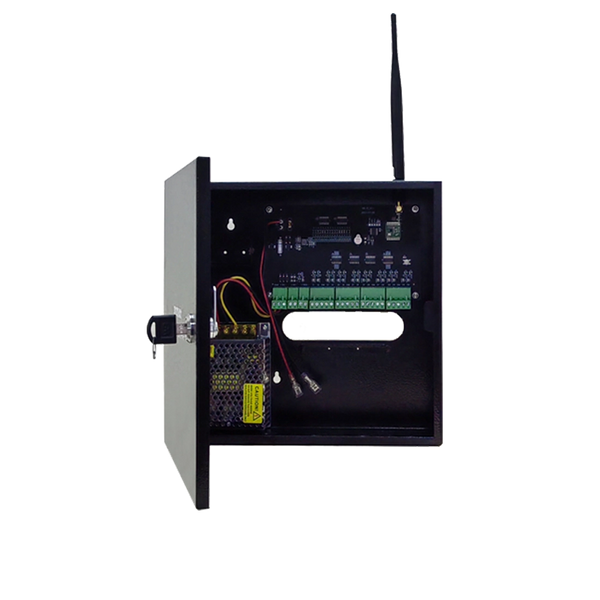
Thanks to the built-in SIM card slot, you get a text message or phone call straight away when the alarm is triggered. In the event of a break-in, the siren sounds and the system automatically calls the pre-set numbers until someone answers. It can be powered via the 12V connection on the leisure battery, the 12V plug or the 220V adapter; the internal battery keeps it active for up to 24 hours during a power cut.
View CamperGuard ProIn storage: the winter season
From October to April, many people's motorhomes stand idle, and that is precisely when nobody is keeping an eye on them for months. Three things to sort out:
Choose your storage for what's there, not for the price. A fenced site with cameras and a locked gate is in a different league from a field with a gate. Also ask whether the site is insured and exactly what is covered.
Leave the alarm switched on. That means the power supply needs to be sorted: a system that runs on the leisure battery and has an internal battery stays active even if something happens to the power.
Take out everything that doesn't need to stay in the motorhome. An emptied motorhome is less interesting to a burglar, and if someone does get in, the damage is limited to a door.

The paperwork: insurance and suspending the registration
In the Netherlands, many motorhome owners suspend their vehicle registration in winter to stop paying motor vehicle tax. This can be done through the RDW (the Dutch vehicle authority) for 1, 2 or 3 years; for a motorhome under 15 years old it costs €88.05, €117.15 and €146.25 respectively. The RDW passes the suspension on to the Belastingdienst (the Dutch Tax Administration), after which the motor vehicle tax stops automatically.
There are two things people often misjudge. During a suspension, third-party liability (WA) insurance and a valid APK (the Dutch MOT) are not required — but the RDW itself adds that it is sometimes wise to keep insurance anyway. Theft and damage during storage are not covered by third-party liability but by comprehensive (casco) or theft cover, and that lapses if you cancel the policy altogether. Check with your insurer what is still covered while the motorhome is in storage.
Also: a vehicle with a suspended registration may not be driven or parked on the public road. So the motorhome has to be on private land or in storage, not on the street.
Stolen anyway: what do you do?
The first few hours count, because a stolen vehicle is then still in the country.
- Report it to the police straight away. Have the registration number, the chassis number and photos to hand.
- Report the theft to your insurer, and ask whether they will also pass the report on to Stichting VbV — that organisation works on behalf of the industry to trace stolen vehicles.
- Let them know what security was fitted. That is relevant both for your cover and for tracing the vehicle.
- Did you see anything suspicious around an unattended motorhome, even someone else's? The Dutch police ask you to report it on 0900-8844, or anonymously on 0800-7000.
What a Neroo alarm does and doesn't do
To be clear about its role: the CamperGuard Pro is an alarm system. It detects that someone is tampering with your motorhome, sets off the siren and warns you. It is not a mechanical lock or a tracking system, so it won't keep the door shut and it won't tell you where the motorhome has gone. It fills the layer the other two don't cover: knowing it's happening, at the moment it happens.
What that means in practice:
- No Wi-Fi needed. With a SIM card in the panel, alerts come in by text message and phone call. In the event of a break-in, the system calls the pre-set numbers until someone answers.
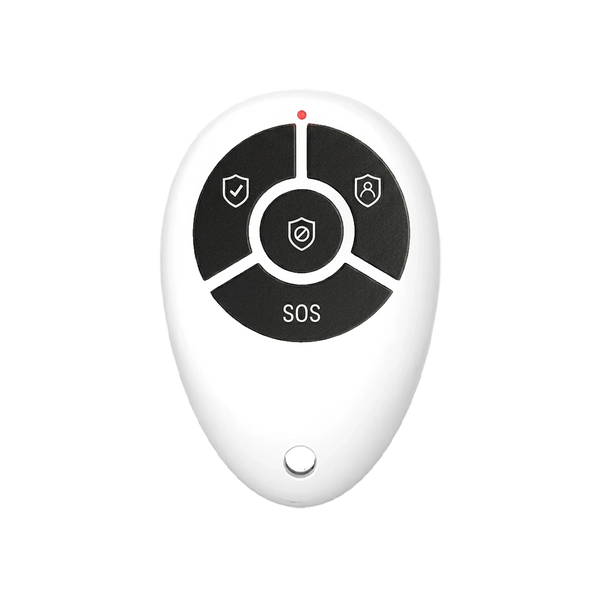
- Four ways to operate it: via the colour touchscreen, by text message, with the remote control and — if Wi-Fi is available — via the app as well. Text commands only work from phone numbers stored in the panel beforehand.
- Power supply suited to mobile use. Connect via the 12V connection on the leisure battery, the 12V plug or the 220V adapter; a converter set for a stable connection to the on-board electrical system is included. The internal battery keeps the system active for up to 24 hours during a power cut.
- Fitted without drilling, using the adhesive strips supplied.
- No subscription. You pay once for the equipment; for the SIM card, all you need is a simple SIM-only or pay-as-you-go plan.
| Kit or component | What it's for | Price |
|---|---|---|
| CamperGuard PRO — Start | Panel with basic detection for the door and interior | € 239,99 |
| CamperGuard PRO — Compleet | Extended kit for the door, hatches and interior | € 294,99 |
| LockSense Pro | Extra door or hatch contact, fitted with an adhesive sticker | € 17,99 |
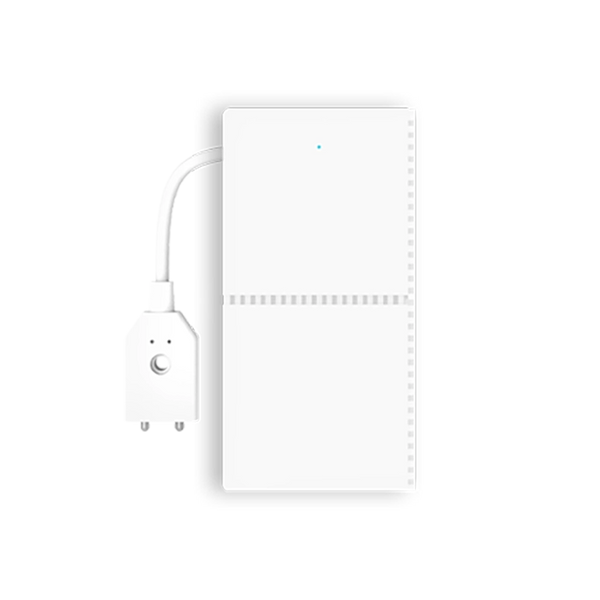
| GasRadar | Gas detection, for propane, butane or methane | € 34,99 |
Current starting prices, taken directly from the webshop. The product page always takes precedence.
For motorhomes and caravans

CamperGuard PRO — Start
The entry-level kit: panel with touchscreen, SIM card slot for texts and calls, and detection for the entrance door and the interior.
View the kit
CamperGuard PRO — Compleet
With more sensors, so the locker hatches and the second window are covered too. Converter set for the on-board electrical system included.
View the kit
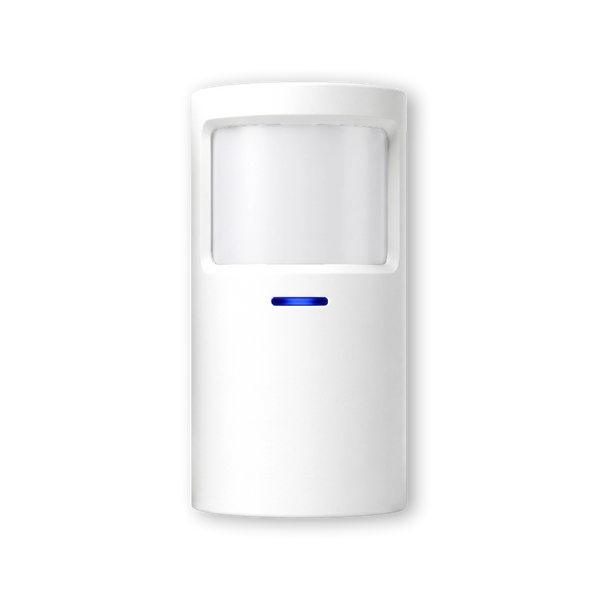
LockSense Pro
A door and window contact you fit in a few minutes with a sticker, no tools needed. Battery life of up to 4 years.
View the contactOur solution
Your motorhome protected, wherever it's parked
Fit it yourself with adhesive strips, get alerts by text and call without Wi-Fi, and no monthly fee that keeps running while the motorhome stands idle.
View CamperGuard
How do you stop your motorhome being stolen?
By combining three layers: certified mechanical locks that slow down any attempt to drive away, an alarm that makes noise when something is wrong and warns you immediately, and a parking spot that is visible, well lit and ideally guarded.
Frequently asked questions
Do motorhomes get stolen?
Yes. There is no public annual figure for motorhomes alone, but the Dutch police reported dozens of stolen motorhomes along the west coast of North Holland, with further thefts in the spring of 2024. Across the Netherlands, the number of stolen passenger vehicles rose by 12 per cent in 2025 to 7,497, and around 55 per cent of these are recovered.
Where are most motorhomes stolen?
No national breakdown by area is published. However, the Dutch police did report a concentration in coastal towns and tourist areas on the west coast of North Holland, including Julianadorp, Egmond aan Zee, Zandvoort aan Zee and Volendam, where motorhomes left unattended were taken. That is why Stichting VbV advises using car parks with CCTV or security.
What is the best lock for a motorhome?
Look at the certification, not the brand: Stichting VbV recommends locks with ART or SCM certification. Which type suits you best depends on your motorhome — a steering wheel lock, a gear lock or a steering column lock to stop it being driven away, a hitch lock for a caravan, and door and window security to stop people getting in. Also check your policy terms: insurers sometimes set a specific requirement.
Is my motorhome insured if I suspend its registration?
Not automatically. In the Netherlands, third-party liability insurance and a valid APK (the Dutch MOT) are not required during a suspension, but the RDW itself says it is sometimes wise to keep insurance anyway. Theft and damage are covered by comprehensive or theft cover, and that lapses if you cancel the policy. In addition, a vehicle with a suspended registration may not be driven or parked on the public road.
What deters a burglar?
Time, noise and visibility. A visible lock and a visible siren make it clear before anyone even starts that the job is going to take effort. An alarm going off draws attention at exactly the moment a thief wants to stay unnoticed. And a parking spot that is lit and can be seen from several directions makes the risk of being seen greater than the reward.
Sources
- Verbond van Verzekeraars (Dutch Association of Insurers) — Vehicle theft increased in 2025
- Stichting VbV — How can I better secure my motorhome and/or caravan?
- Politie (Dutch police) — Motorhome thieves plague North Holland's west coast
- RDW (Dutch vehicle authority) — Applying to suspend a motorhome registration
- Prices and specifications of Neroo products: live from our own webshop


