















Short answer: A motorhome needs three types of alarm: a smoke alarm, a carbon monoxide alarm if you use a heater or cooker, and an intruder alarm that alerts you even without Wi-Fi. Smoke and CO alarms protect you while you sleep inside; the intruder alarm protects the van while you are away. Link whatever you can, so that a single alert reaches you wherever you are.
Our solution
Alarm system for motorhomes
Alerts you by text message and phone call instead of via Wi-Fi, runs on the leisure battery and links with smoke alarms into a single system. No monthly fees.
View the motorhome systems
Key takeaways
- Smoke and carbon monoxide are two separate hazards, with two separate alarms. A smoke alarm does not detect CO.
- A motorhome often has only one escape route. That is why the Dutch fire service calls a smoke alarm the first thing you should fit.
- The CO alarm goes at ceiling height, not tucked into a corner, not next to a ventilation grille, and preferably close to the heater or cooker.
- For a smoke alarm, look for EN 14604, the standard the fire service refers to.
- The intruder alarm must be able to alert you without Wi-Fi, by text message or phone call, and run on the leisure battery.
- The door is the first target: extra locks plus a contact sensor that sets off the alarm.
- In the Netherlands, alarm class 2 is an insurance requirement, not a law. Your policy determines whether you need it.
"Which alarm do I need?" sounds like one question for a motorhome, but it is really three. You want to wake up if there is a fire, be warned about a gas you cannot smell, and know if someone gets in while you are lying on the beach. Each of those risks calls for its own alarm. In this article we go through them one by one, with the advice of the fire service and the right spot for each alarm.
Three risks, three types of alarm
- Smoke. You will not notice a fire starting while you are asleep. A smoke alarm will.
- Carbon monoxide. An odourless gas released by incomplete combustion, for example from a heater or cooker. A smoke alarm does not respond to it.
- Break-ins. The risk that comes precisely when you are away. For that, you need an alarm that reaches you remotely.
The first two protect you, the third protects your motorhome. So you do not need them instead of each other, but alongside each other.
The smoke alarm
The fire service of Veiligheidsregio Noord-Holland Noord (a Dutch regional safety authority) opens its advice for caravans and motorhomes with a single sentence: fit a smoke alarm. It takes five minutes, and it matters all the more because a caravan or motorhome often has only one escape route.
Which smoke alarm? The fire service does not name a brand, but a standard: the European EN 14604 on the packaging. Mount it on the ceiling at least 50 cm from a wall or corner, test it monthly and replace it after ten years. In a motorhome, do keep it out of the direct steam from the cooker, as steam causes false alarms. You can read more about the advice in our article Which smoke alarms does the fire service recommend?

The carbon monoxide alarm
You cannot see, smell or taste carbon monoxide (CO). It is produced by incomplete combustion, and in a small space such as a motorhome the concentration builds up quickly. That is why, as soon as you use a heater, cooker or other combustion appliance, you need a separate carbon monoxide alarm next to the smoke alarm.
Where should it go?
Veiligheidsregio Noord-Holland Noord gives four pointers for caravans and motorhomes:
- mount it at ceiling height;
- not too close to or tucked into a corner;
- away from ventilation grilles;
- preferably close to combustion appliances, such as the heater.
You can fix it with strong double-sided tape, so no drilling is needed. If you use gas bottles, also follow the fire service's second piece of advice: store them upright in a cool, well-ventilated place, and never bring an open flame or a lit cigarette near them.
The intruder alarm
Smoke and CO alarms do their job when you are there. An intruder alarm has to work when you are away, and that comes with different requirements. On a campsite or in a car park there is often no usable Wi-Fi and no hook-up. A motorhome alarm therefore has to alert you via the mobile network and draw its power from the leisure battery. You can read why in detail in How do you protect a motorhome against break-ins?
That is why the CamperGuard Pro has a built-in SIM card slot. In the event of a break-in, the 120 dB siren sounds and the system calls the phone numbers you have set until someone answers. You connect it to the 12V leisure battery, with the 12V plug or with a 220V adapter, and during a power cut the internal battery keeps it active for up to 24 hours.
The door: the first target
The entry door is the spot you pay most attention to, and the spot a burglar looks at first. Stichting VbV (a Dutch foundation that works to prevent vehicle crime) recommends extra locks on doors and windows, so that forcing them takes more time. A contact sensor turns that into an alert: if the door opens while the alarm is armed, it goes off.
You stick the LockSense Pro contacts in the CamperGuard kits to the door and frame without tools. They also work when mounted at an angle or up to about 2 cm apart, which is handy with the rubber seals and rounded corners of a motorhome. Choose your spot carefully as well: Stichting VbV recommends a well-lit pitch with supervision, and leaving no valuables in sight.

The intruder alarm for your motorhome

CamperGuard® PRO — Comfort
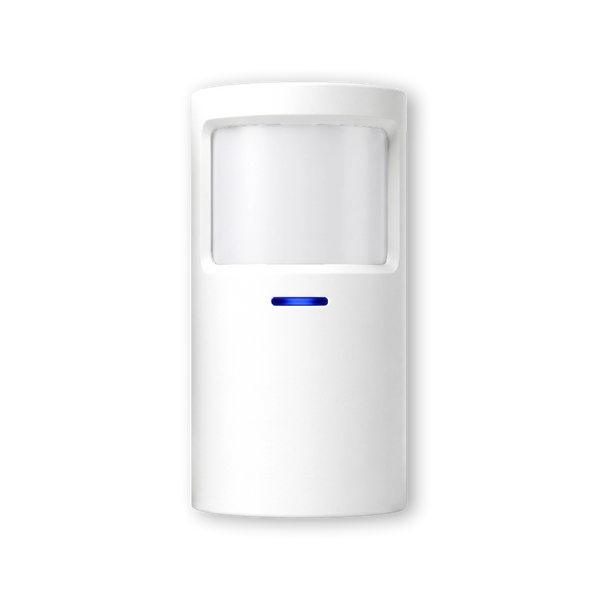
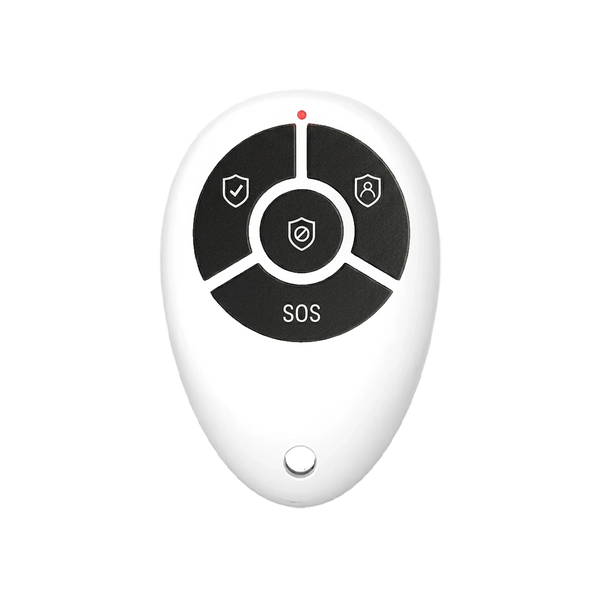
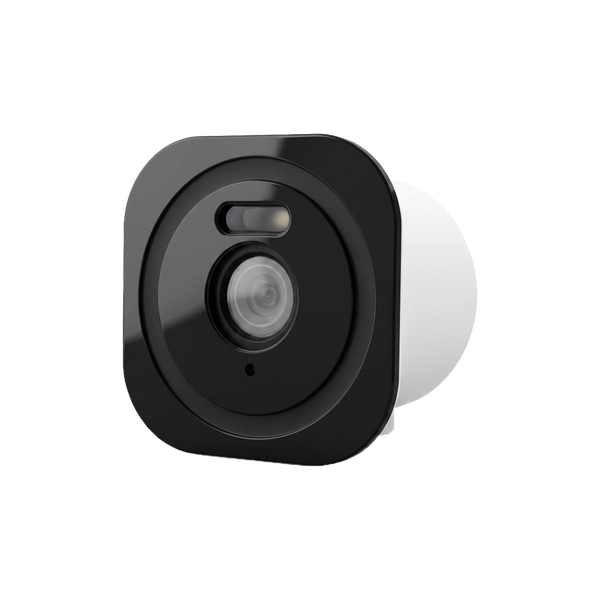
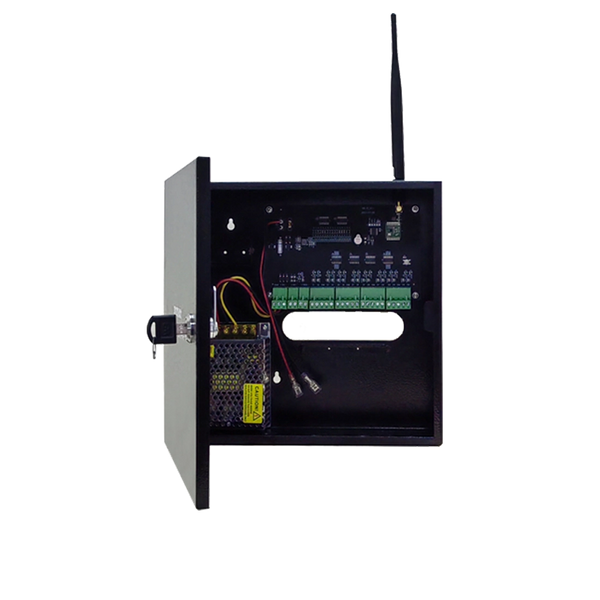
The CamperGuard Pro panel with SIM card slot and colour touchscreen, four LockSense® PRO contacts for doors and hatches, two ShieldSense® MINI motion detectors and two remote controls. Includes a 12V and 220V adapter and a converter kit for the leisure battery system.
View the Comfort kitEverything in one system
Standalone alarms only warn whoever hears them. If your motorhome is parked on the campsite while you are out for the day, that is of little use. That is why it makes sense to link smoke alarms to your intruder alarm.
You link the SmokeAlert Link directly to the CamperGuard. When it detects smoke, it triggers the full alarm, and with the CamperGuard you also receive a text message alert, without an internet connection. The CarbonAlert carbon monoxide alarm works on its own: it has its own siren of more than 85 dB and sends an alert to the app via Wi-Fi. If you have no Wi-Fi, it warns you with its siren inside the motorhome itself.
What does alarm class 2 mean?
With motorhomes in the Netherlands you will come across the term "class 2", often in the terms and conditions of an insurance policy. It refers to the security classes of the Dutch certification scheme for vehicle security, which is managed by Kiwa SCM. Classes 1, 2 and 3 are certified electronic security systems for the vehicle. Such a system is fitted and registered by an approved installer, and you receive a certificate with it.
It is not a legal requirement. Whether you need a particular class is up to your insurer. So read your policy before you buy anything. A certified vehicle system and a motorhome alarm that alerts you by text message are not mutually exclusive; they are two different things that can exist side by side.
Alarms for your motorhome

SmokeAlert
Smoke alarm with CE and EN 14604 and a replaceable AA battery that lasts up to five years. The Link version links to the CamperGuard, including text message alerts without internet.
View product
CarbonAlert
Carbon monoxide alarm to EN 50291, with a built-in ten-year battery and a siren of more than 85 dB. With Wi-Fi, you also get an alert in the app.
View product
CamperGuard® PRO — Complete
The most extensive kit: the panel with SIM card slot, six LockSense® PRO contacts, two ShieldSense® MINI motion detectors and two remote controls.
View productOur solution
Alarm system for motorhomes
Alerts you by text message and phone call instead of via Wi-Fi, runs on the leisure battery and links with smoke alarms into a single system. No monthly fees.
View the motorhome systems
Which alarm systems do I need in my motorhome?
A smoke alarm with the EN 14604 standard, a carbon monoxide alarm at ceiling height near the heater or cooker, and an intruder alarm that alerts you by text message or phone without Wi-Fi and runs on the leisure battery.
Frequently asked questions
Which alarms do you need in a motorhome?
At the very least a smoke alarm and, if you use a heater, cooker or other combustion appliance, a carbon monoxide alarm. A smoke alarm does not detect carbon monoxide and vice versa, so they are two separate alarms. If you also want to be warned when you are not there, add an intruder alarm.
Where is the best place to fit a carbon monoxide alarm in a motorhome?
According to the fire service of Veiligheidsregio Noord-Holland Noord (a Dutch regional safety authority), you mount it at ceiling height, not too close to or tucked into a corner, away from ventilation grilles, and preferably close to combustion appliances such as the heater. With strong double-sided tape it is fixed in no time, without drilling.
Which smoke alarm does the fire service recommend?
The Dutch fire service does not name a brand, but a standard: choose a smoke alarm with the European EN 14604 mark. Mount it on the ceiling, at least 50 cm from a wall or corner, test it monthly and replace it after ten years. The fire service recommends linked alarms that go off together where possible.
What is an alarm class 2 motorhome?
A motorhome with a certified security system in class 2 of the Dutch certification scheme for vehicle security (Kiwa SCM). Such a system is fitted and registered by an approved installer, and you receive a certificate with it. It is not a legal requirement: it is a condition your insurer may set. So check your policy.
How do you make your motorhome door more secure?
Stichting VbV (a Dutch foundation that works to prevent vehicle crime) recommends extra locks on doors and windows, so that forcing them takes more time. A contact sensor on the door also makes sure your alarm goes off as soon as it opens. Do not leave valuables in sight, and preferably park in a well-lit spot with supervision.


