
















Short answer: in the Netherlands, most burglaries happen during the dark days from late October through January, with December as the peak month. During winter time there are on average 24 percent more home burglaries per day than during summer time. The reason is simple: it gets dark early, and a house with no lights on at six in the evening gives away that nobody is home.
Every year around the clock change, the police see the same pattern: as soon as it gets dark early in the afternoon, the number of home burglaries rises. Not slightly, but structurally. In this article we line up the figures, explain why the dark months in particular are burglary season, what the police advise and how you can get your home alarm ready for winter in a single evening.
Our solution
Alarm system for your home
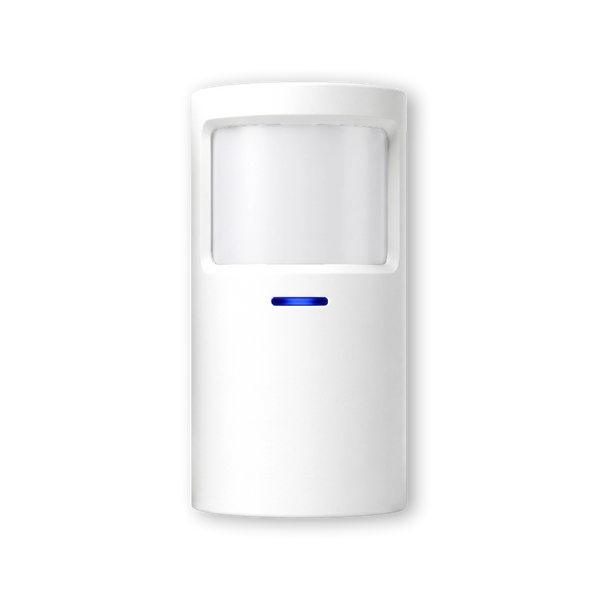
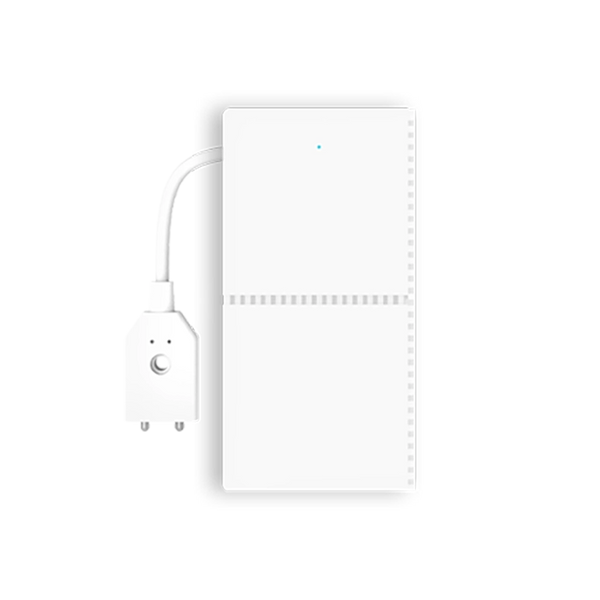
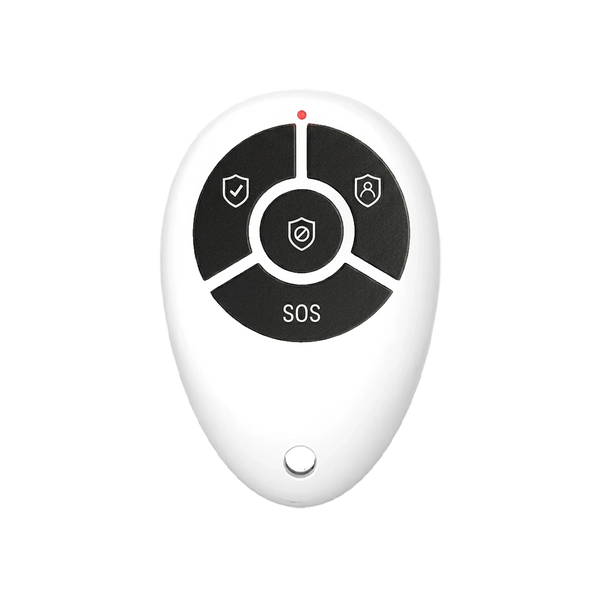
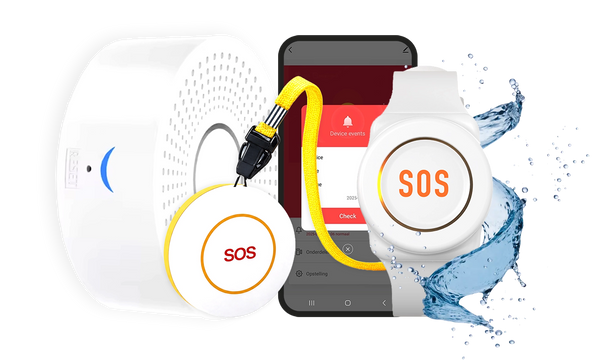
ShieldLink® is a wireless alarm system with no subscription: sensors on doors, windows and inside the house, a siren and a notification on your phone.
Explore the options
How many more burglaries happen during the dark days?
First the good news: the total number of home burglaries in the Netherlands has been falling for years. In 2012 the police still recorded over 92,000 burglaries; in 2025 that figure was 21,567. Better locks, more alarm systems and more people working from home have made life harder for burglars.
But within that lower total, the seasonal pattern holds up. Police figures for 2021 through 2025, as compiled by Overstappen.nl, show that December is consistently the busiest month with around 2,500 burglaries, compared with around 1,800 per month in the spring and summer months. October, November and January sit somewhere in between.
Insurer Interpolis converts this every year into burglaries per day. During winter time 2024-2025 there were on average 69 per day, 24 percent more than in the preceding summer time. A year earlier the gap was even wider: from 57 per day in summer time to 75 per day in winter time, an increase of 32 percent. The Dutch Association of Insurers (Verbond van Verzekeraars) arrives at the same picture based on claims data: roughly a quarter more burglaries during winter time.
| Period | Burglaries per day | Difference |
|---|---|---|
| Summer time 2023 | 57 | — |
| Winter time 2023-2024 | 75 | +32% |
| Winter time 2024-2025 | 69 | +24% compared with summer time |
Source: Interpolis, based on police figures; winter time runs from late October to late March.
The difference is not the same everywhere. During winter time 2024-2025, the number of burglaries per day rose by 46 percent in Gelderland, 36 percent in Noord-Brabant and 35 percent in Limburg. In Drenthe, Friesland and Zeeland the increase stayed limited to around 5 percent. According to the same figures, homes on the edge of a city, flats and smaller homes are at greater risk than detached houses in rural areas.
Why the dark months in particular?
A burglar wants two things: not to be seen, and to be sure nobody is home. The dark days deliver both. By five in the afternoon it is already dusk, so anyone walking past a row of houses can see at a glance where the lights are on and where they are not. A dark house on a weekday evening sends a clear signal: nobody is here.
Then there are the holidays. Around Sinterklaas, Christmas and New Year, many people are away for a few days, and many homes have expensive presents lying ready. December thus combines the most darkness with the greatest chance of an empty home — which makes it the peak month every year.
Strikingly, many people do not actually feel that risk. Research by Motivaction commissioned by Interpolis shows that 69 percent of Dutch people do not rate the burglary risk in winter any higher than in summer. And according to Overstappen.nl, only a quarter of households take extra measures when the clocks go back. It is precisely that gap between risk and perception that makes the dark days attractive to burglars.
What the police advise
Every year at the clock change, the police launch the Donkere Dagen Offensief (Dark Days Offensive), a national campaign against home burglary. The tips are deliberately simple, because most burglaries are simple too: an unlocked door, a window left ajar, a house that looks deserted.
- Leave a light on when you are out. Use a timer or smart lighting so the lights come on when it gets dark, even when you are not there.
- Properly lock windows and doors. Pulling a door shut is not the same as locking it. Even if you are only popping round to the neighbours or to the supermarket.
- Make sure you have good locks and outdoor lighting. Locks with the SKG quality mark and a light by the front and back doors make your home less attractive.
- Keep valuables out of sight and do not leave ladders, wheelie bins or garden furniture around that someone could easily use to climb onto a balcony or upper floor.
- Tell the neighbours when you go away and ask them to clear the post and keep an eye on things.
- Call 112 if something looks suspicious. If you see someone hanging around a house who does not belong there, or you see live on your camera that your home is being broken into, call 112 straight away. Even if you are not sure.
How to get your home alarm ready for winter
If you already have an alarm system, the clock change is a good moment for a quick check. An alarm that worked fine in summer can have just that one weak spot in winter that you do not see. Run through these seven points; it takes a quarter of an hour.
- Test every sensor. Open and close every door and window fitted with a contact and walk past the motion detectors. If every alert shows up in the app, your coverage is in order.
- Replace batteries that are nearly flat. Wireless sensors run on batteries; the cold outside does them no favours. Replace them now, so nothing drops out in January.
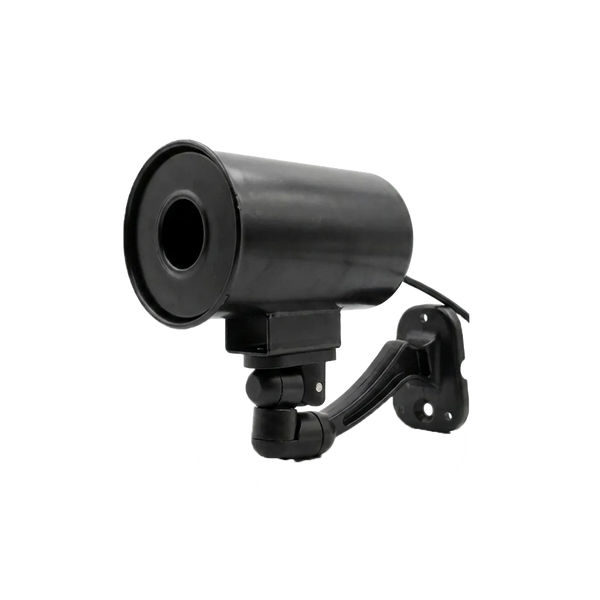
- Check the siren. An outdoor siren with its own backup battery keeps sounding if the power goes out. Set it off briefly once so you know it works and that the neighbours can hear it.
- Turn on notifications on every phone in the house. Not just yours. If you cannot be reached, your partner or a housemate will still see the alert.
- Got a SIM card in the panel? Check the credit. The ShieldLink® Pro and Elite also send you a text or call you when the alarm goes off, even if the Wi-Fi drops out. That only works if the SIM card is active and has credit.
- Use home mode in the evening. Arm the sensors on doors and windows while you are at home and leave the indoor motion detectors off. That way you are protected while you are sitting on the sofa too.
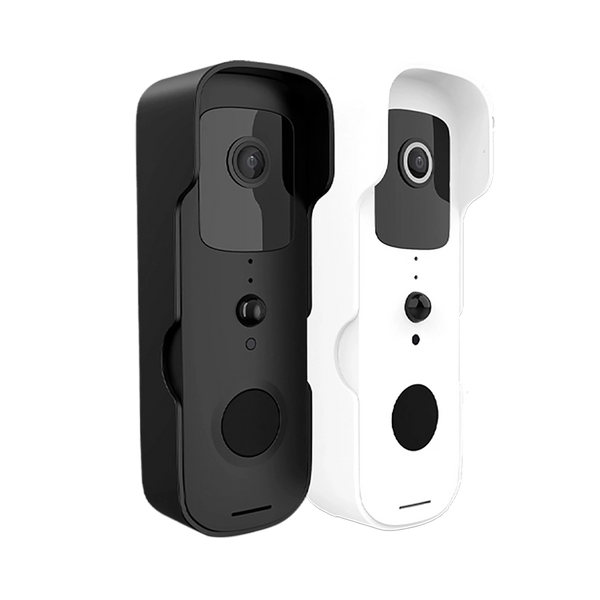
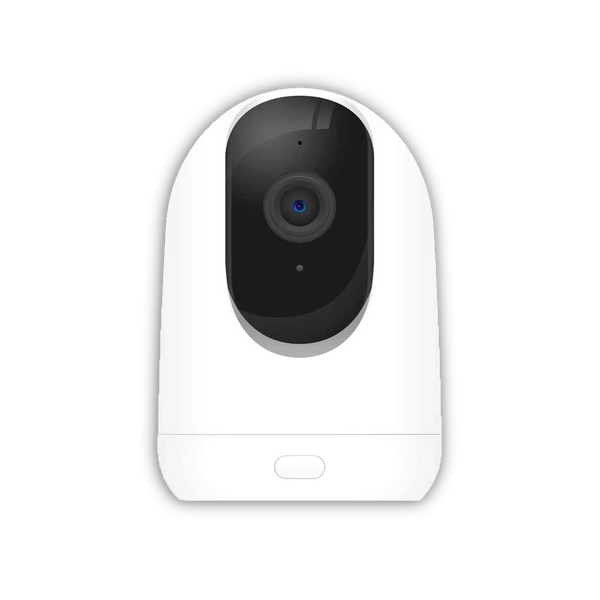
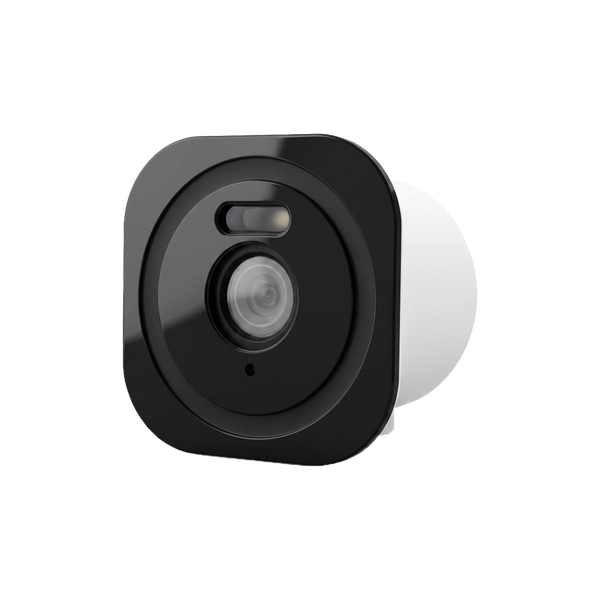
- Put a camera at the main entrance. When an alert comes in, you want to see straight away what is going on. The Neroo® Cam has infrared night vision and works in the same app as the alarm, so you jump straight from the alert to live footage.
Lighting that responds to movement

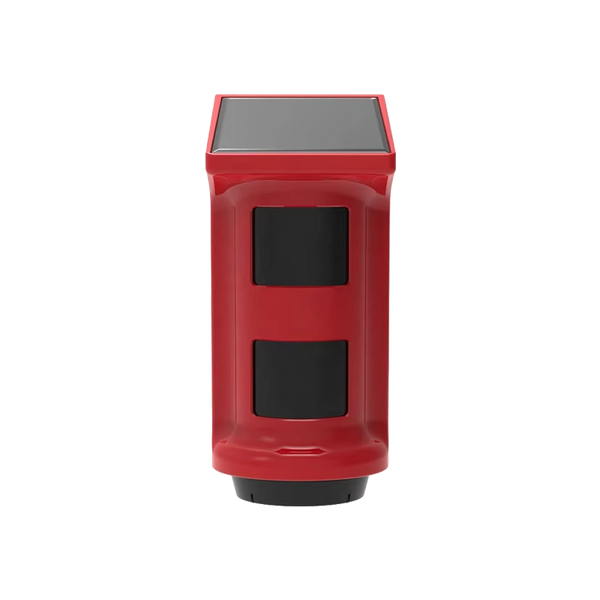
There is a reason outdoor lighting appears in every police checklist. A burglar who is suddenly standing in the light is visible to the whole street. Lighting with motion detection works better here than a lamp that burns all night: the sudden switching-on draws attention. The Wally combines such a light with a 2K camera and a solar panel. If someone walks past, the light comes on and the camera records the moment to the memory card. Over Wi-Fi you can watch live and receive a notification; without Wi-Fi it keeps lighting up and recording on its own. It runs on solar power, so there is no need to run a cable to the shed or the back of the house.
No alarm yet? What you can sort out in one evening
Many people put off getting an alarm system because they think of an installer, a contract and a monthly fee. That is not necessary. A wireless system such as the ShieldLink® Plus - Compleet is something you stick on doors and windows yourself, pair with the free app, and have up and running the same evening. There is no subscription attached and the system stays yours. For the smartest way to distribute the sensors, see our article on the best place for your sensors.
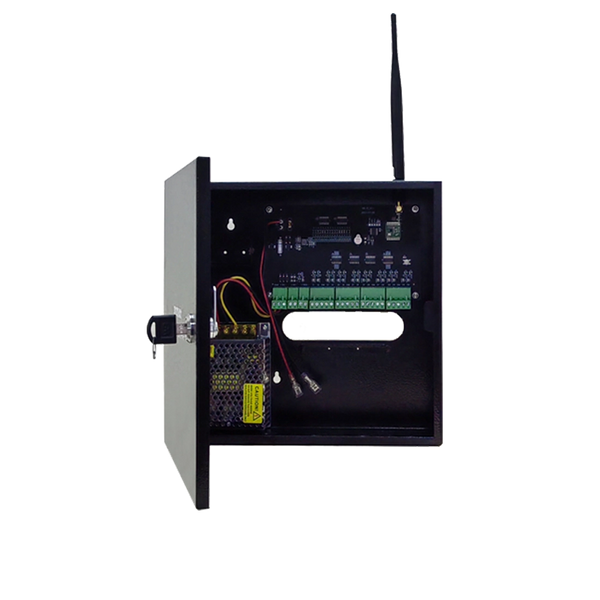
If you want the alarm to keep working even when the Wi-Fi or the power goes down, choose the ShieldLink® Pro - Compleet. It takes a SIM card, so you also receive a text or a call when the alarm goes off. Then stick the supplied sticker on the window by the front door. It sounds like a small thing, but a burglar choosing between a house with and a house without an alarm sticker rarely picks the first. For more tips on making your home look occupied, read our article on the security of wireless alarm systems.
So when do most burglaries happen?
During the dark days from late October through January, with December as the peak month: in winter time there are on average 24 percent more home burglaries per day than in summer time, especially in the early evening when a dark house gives away that nobody is home.


Our solution
Alarm system for your home
ShieldLink® is a wireless alarm system with no subscription: sensors on doors, windows and inside the house, a siren and a notification on your phone.
Explore the options
Frequently asked questions
In which month do most burglaries happen?
December. Police figures for 2021 through 2025 show that December is the busiest month every year, with around 2,500 home burglaries compared with around 1,800 per month in spring and summer. October, November and January follow behind.
At what time of day do most burglaries happen?
In the dark months, mainly in the early evening, between the moment it gets dark and the moment most people come home. A house with no lights on is then clearly visible as unoccupied. Burglaries happen during the day too, but in winter a larger share shifts to the evening hours.
Does an alarm system really help against burglary in winter?
An alarm takes away the two things a burglar counts on: silence and time. A siren draws the attention of the neighbourhood, and a notification on your phone lets you watch live straight away and call 112. A visible sticker and sensors also work preventively: a protected house is more often skipped.
Should I also arm my alarm when I am at home?
In the evening and at night, that is sensible. Use home mode: the contacts on doors and windows are then armed, the indoor motion detectors off. If someone then comes in through the back door while you are upstairs, you hear it immediately.
What should I do if I go away over the holidays?
Make the house look occupied with lighting on a timer, ask the neighbours to clear the post and do not post anything about your holiday on social media until you are back. Fully arm the alarm, turn on notifications on more than one phone and put a camera at the main entrance so you can watch live straight away when an alert comes in.
Sources and references
- Politie (Dutch police), Donkere Dagen Offensief: politie start campagne tegen woninginbraken (24 October 2024) and Tips tegen woninginbraak — accessed October 2026
- Overstappen.nl, Inbraakcijfers per maand 2021-2025 (December 2025) and Woninginbraken 2025 (January 2026) — based on police figures, accessed October 2026
- Interpolis, Wintertijd: 24 procent meer woninginbraken per dag (October 2025) and Wintertijd 2023-2024: 32 procent meer inbraken (October 2024) — accessed October 2026
- Verbond van Verzekeraars (Dutch Association of Insurers), Inbraken in de wintertijd (December 2025) — accessed October 2026
- Neroo.nl, Current product data for the ShieldLink systems, Wally and Neroo® Cam


