









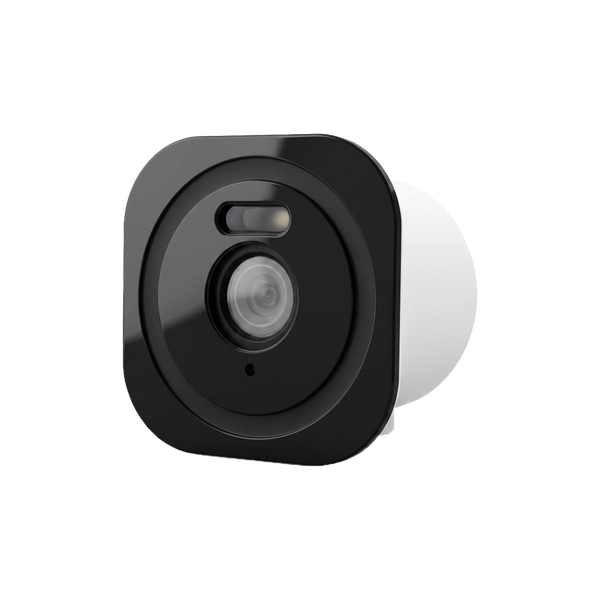

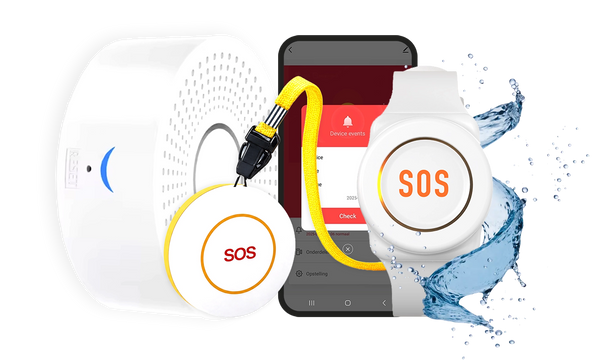




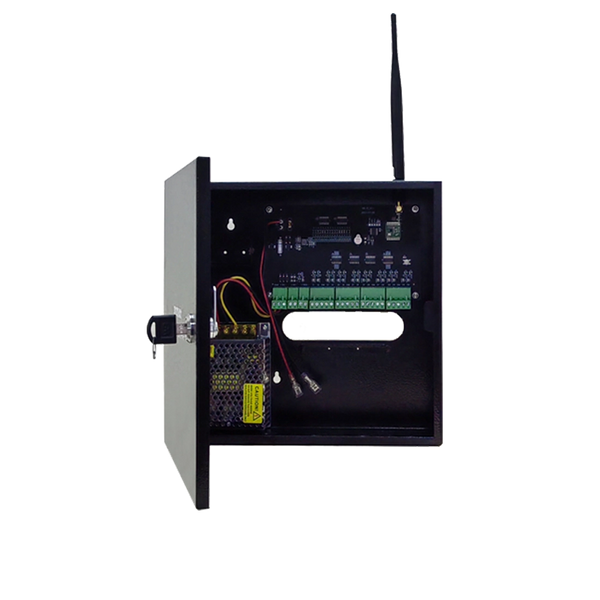

Short answer: The best alarm system for a boat works without Wi-Fi and without shore power. It alerts you via a SIM card with a text message or phone call, runs on the 12V on-board battery with a backup battery, and as well as doors and hatches it also monitors the cabin and incoming water. An alarm that only alerts you through an app stays silent in a marina without internet.
Our solution
Alarm system for boats and yachts
Alerts you by text message and phone call instead of Wi-Fi, runs on the on-board battery and also warns you about water in the boat. No monthly costs.
View the boat systems
Key points
- Not mandatory, but recommended: the Dutch police advise an additional electronic security system, such as an alarm, alongside a good lock.
- Boat theft is not a fringe issue: in the Netherlands, 943 boat thefts were recorded in 2023, peaking in June, July and August.
- Wi-Fi on board is never a given. An alarm that alerts you via a SIM card reaches you even when the boat is in a marina without internet.
- Power comes from the on-board battery, with a backup battery in case the power drops out.
- Water is a second risk on board. A water detector in the bilge warns you before the damage mounts up.
- Reliable means: the alert gets through. Multiple alert routes and a system that keeps calling until someone answers.
- No monitoring centre, no monthly fee: you pay once and the alert comes to your own phone.
For most of the year, a boat is left on its own. In the marina, at a jetty behind the house or in winter storage: you are usually not there. So an alarm on board has to do something different from one at home. In this article you will read what a good boat alarm needs to offer, why Wi-Fi cannot be the starting point, and how you can still receive an alert wherever you are, without any monthly costs.
Does a boat need an alarm?
Not by law. In the Netherlands, there is no rule that makes an alarm system on board mandatory. Even so, the Dutch police mention it explicitly in their tips against boat theft: secure the boat with an approved lock, fit good-quality locks and hinges on the cabin entrance, and add an additional electronic security system, such as an alarm system.
That advice does not come out of nowhere. According to figures from Stichting VbV (a Dutch foundation that tackles vehicle and vessel crime), 943 boat thefts were recorded in the Netherlands in 2023, down from 1,184 in 2022. Most thefts happen in summer: 148 in June, 121 in July and 109 in August. Amsterdam topped the list with 131 reports, followed by Súdwest-Fryslân (a municipality in Friesland) with 30.
A lock stops someone. An alarm does something else: it makes sure you know about it, even when you are miles away.
What makes an alarm system marine-grade?
A home alarm system assumes two things that cannot be taken for granted on board: a fixed internet connection and a power socket. A marine system is built for situations where both are missing.
Alerts without Wi-Fi
Marina Wi-Fi is patchy, and at an anchorage or in winter storage there is often nothing at all. That is why a boat alarm needs to be able to alert you via the mobile network. The ShieldLink® Marine has a built-in SIM card slot for this: if something is wrong, you receive a text message and/or a phone call, without needing any Wi-Fi nearby.
Power from the on-board electrical system
A boat alarm should run on what is already on board. You connect the ShieldLink® Marine directly to the 12V on-board battery, with a 12V plug, or in the marina with a 220V adapter. A converter kit is included for a stable connection to the on-board electrical system, so the system keeps working even when the voltage fluctuates. If the power fails, the internal battery keeps the system active for up to 24 hours.
Watching for water too
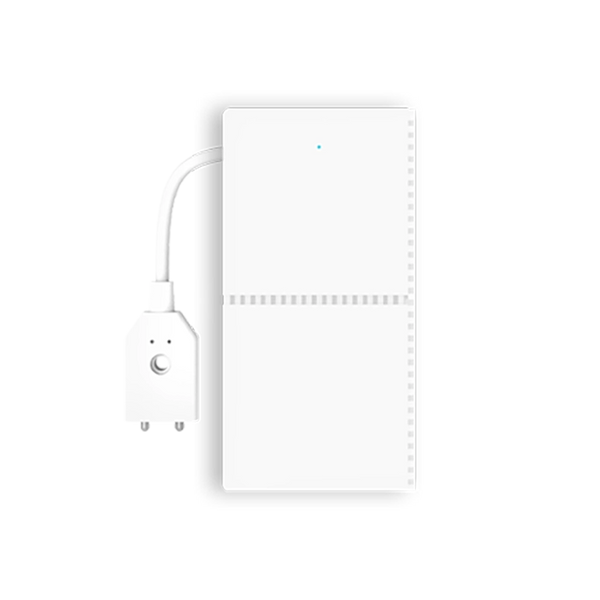
On board, break-ins are not the only risk. You only notice a leak or a problem with the bilge when you come back, and by then the damage is done. That is why every ShieldLink® Marine set includes an AquaSense® water detector, which you place under risk points or in the bilge. If it detects water, you receive an alert straight away.

Installation on board is a separate matter: you do not want holes in your interior. The panel and sensors of the Marine sets are fixed in place with the strong adhesive strips supplied, without drilling or screws.
Alarm with an app or with a SIM card?
Many people look for an alarm system with an app, and that makes sense: you want to see what is happening on your phone. For a boat, though, the question is not whether there is an app, but what happens when there is no internet. A system that alerts you only through an app needs a connection. If that drops out, you hear nothing.
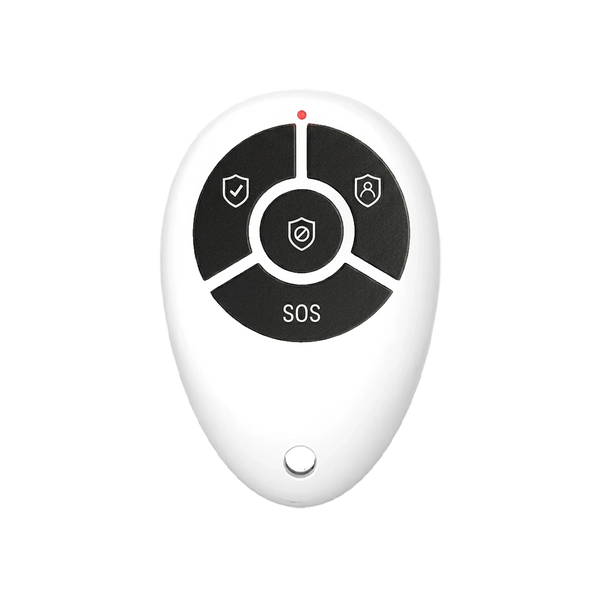
The safest set-up is therefore a system with two routes: the app as an extra when there is Wi-Fi, and text message or phone call as the main route. That is how the ShieldLink® Marine works. You can arm and disarm it via the colour touchscreen, by text message, with the remote control and, if there is Wi-Fi in the marina, via the app as well. Text commands only work from phone numbers stored in the panel beforehand.

The alarm for on board

ShieldLink® Marine — Comfort
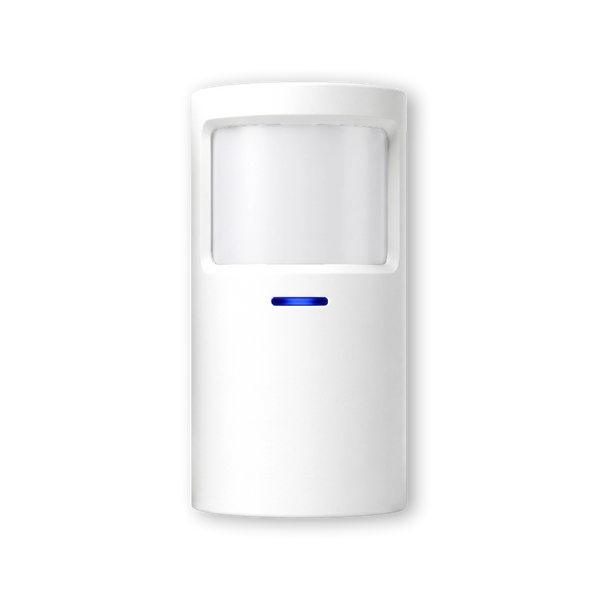
The Marine panel with SIM card slot and a built-in 120 dB siren, with two LockSense® PRO contacts for door and hatch, a ShieldSense® MINI motion detector for the cabin, two AquaSense® water detectors and two remote controls. Connects to 12V or 220V, with a converter kit for the on-board electrical system.
View the Comfort setWhat makes a boat alarm reliable?
Reliable is a big word. For an alarm on board, it comes down to one question: does the alert get through, even when things go wrong? Three things make the difference.
- More than one alert route. Text message and phone call, plus the app when there is Wi-Fi.
- An alert you cannot miss. In the event of a break-in, the ShieldLink® Marine sounds its siren and automatically calls the phone numbers you have set up, until someone answers.
- Power that does not simply cut out. Connection to the on-board electrical system via a converter kit, and up to 24 hours of backup on the internal battery.
It also helps to test the system when you are on board: open a hatch while the alarm is armed, and check whether the alert reaches the numbers you have set up.
How to choose: the checklist
Go through these points before you buy an alarm for your boat:
- How does the alert reach you? Can the system alert you without Wi-Fi, by text message or phone call?
- What happens if you do not answer? Does the system keep calling, and can you set up multiple numbers?
- Where does the power come from? Can it run on the 12V on-board battery, and how long does it keep working if the power drops out?
- What is monitored? Cabin door and hatches, movement inside, and water in the bilge.
- How do you install it? Can it be done without drilling into the interior?
- What does it cost per year? A one-off payment, or an ongoing subscription?
No monthly fee
An alarm system with a monitoring centre costs a fixed amount each month, because there are people standing by for it. A system that alerts your phone directly does not need that. You pay once for the equipment, and the alert goes to you and the people you set up, such as a neighbour in the marina.
One cost remains: the SIM card. You insert it into the panel yourself. The system uses it for the text alerts and phone calls.
Which Marine set suits your boat?
All three sets have the same ShieldLink® Marine panel with SIM card slot, 120 dB siren and backup battery. They differ in the number of sensors included, and you can expand later with smoke detectors, among other things.

ShieldLink® Marine — Start
One LockSense® PRO for the cabin door, one ShieldSense® MINI motion detector, one AquaSense® water detector and one remote control. The basics for an open launch or small cabin boat.
View product
ShieldLink® Marine — Comfort
Two LockSense® PRO for door and hatch, one ShieldSense® MINI, two AquaSense® water detectors and two remote controls.
View product
ShieldLink® Marine — Compleet
Three LockSense® PRO, two ShieldSense® MINI, two AquaSense® water detectors and two remote controls. For a larger yacht with several spaces and hatches.
View productOur solution
Alarm system for boats and yachts
Alerts you by text message and phone call instead of Wi-Fi, runs on the on-board battery and also warns you about water in the boat. No monthly costs.
View the boat systems
What is the best alarm system for a boat?
A system that alerts you without Wi-Fi by text message and phone call, runs on the 12V on-board battery with a backup battery, can be installed without drilling, and as well as doors, hatches and the cabin also monitors water in the bilge.
Frequently asked questions
Do boats have alarm systems?
Not as standard. In the Netherlands, an alarm system on board is not a legal requirement, so whether a boat has one varies from boat to boat. The Dutch police do recommend it: alongside a good lock and sturdy locks and hinges on the cabin, they advise an additional electronic security system, such as an alarm.
What is a marine alarm system?
An alarm system designed for life on board. It alerts you via the mobile network instead of Wi-Fi, draws its power from the 12V on-board battery, keeps working if the power drops out, and as well as doors, hatches and the cabin often also monitors water coming into the bilge.
Which alarm system has no monthly fee?
A system that sends alerts itself via its own SIM card, without a monitoring centre in between. You then pay once for the equipment and the alert comes straight to your own phone. You do insert a SIM card in the panel yourself, so factor in the cost of that SIM card.
What is the best alarm system with an app?
For a boat, an app is handy but not enough: an app needs internet, and many marinas and anchorages do not have it. The best option is a system with the app as an extra and text message or phone call as the main route, so an alert reaches you even without Wi-Fi.
What is the most reliable alarm system?
The system whose alert always gets through. Look for three things: more than one alert route (for example text message and a call), a backup battery in case the power fails, and a system that keeps calling until someone answers. Then test it regularly, because an alarm that has never been tested is just an assumption.


