















The monthly costs of a security subscription keep running for as long as the contract does. For many people, that is the reason to look at whether there is another way. But choosing an alternative is more than picking a different brand: you are replacing three things at once — the equipment, the alerts and the follow-up. In this article we set out what each part does, what you get to control yourself and what to look out for in a system without a subscription.
Our solution
Alarm system without a subscription
A one-off purchase, no ongoing monthly fee, and equipment that stays yours — even if you move house.
View the options
What does a security subscription include?
Providers that work with a monthly fee supply a package. On its Dutch website, Verisure describes the subscription as including, among other things, a free security survey, professional installation, a connection to its own monitoring centre that is active 24 hours a day, verification and forwarding of alarms to the police, and a warranty on the equipment. The price is not listed: according to Verisure, it is determined through a personal security survey.
For the follow-up, Verisure describes two forms of verification: operators assess images from photo or video detectors, and they can make contact with whoever is on the premises via a two-way audio connection. Only then is an alert passed on to the police control room.
That is the part you cannot buy in a box. You can buy equipment yourself and you can receive alerts yourself, but a staffed monitoring centre that assesses every alarm is a service — and that is what you pay for every month.
What changes without a monitoring centre?
The difference is not in the police, but in who notices and assesses the alarm. If you see or hear that someone is breaking into your home — live on camera, or simply from the window — and you call 112, the police will respond. What the Dutch police do not do is respond to every automatic alarm signal; for that, a private alarm receiving centre first checks whether something is really going on.
So the real difference is coverage over time. A monitoring centre keeps watch even when you are asleep or unreachable. Without a monitoring centre, the alert comes to you and you decide what happens next: check the camera, call a neighbour, or call 112 straight away if you see that someone is inside.
| Component | With a subscription | Without a subscription |
|---|---|---|
| Equipment | Part of the contract, with warranty and maintenance | You buy it once and it stays yours |
| Alert | To the monitoring centre, which assesses and escalates | Straight to your phone, within seconds |
| Verification | An operator assesses images or sound from the premises | You watch live yourself on a camera or video doorbell, wherever you are |
| Follow-up | The monitoring centre calls in the police or a security patrol | You call 112 yourself if you see that someone is breaking in |
| Costs | Ongoing monthly fee for as long as the contract runs | One-off amount, no fixed costs after that |
| If you stop | The services tied to the subscription end | Nothing ends; the system keeps working |
Verifying it yourself with a camera
Verification is not something only a monitoring centre can do. If you add a camera or video doorbell to your alarm system, you do exactly the same: you get the alert, open the app and within a few seconds you can see what is going on. If it is the cat or a branch in front of the sensor, you know straight away and you do not need to call anyone. If someone is standing in your living room, you call 112 and report what you are seeing live at that moment — and the police will respond to that.
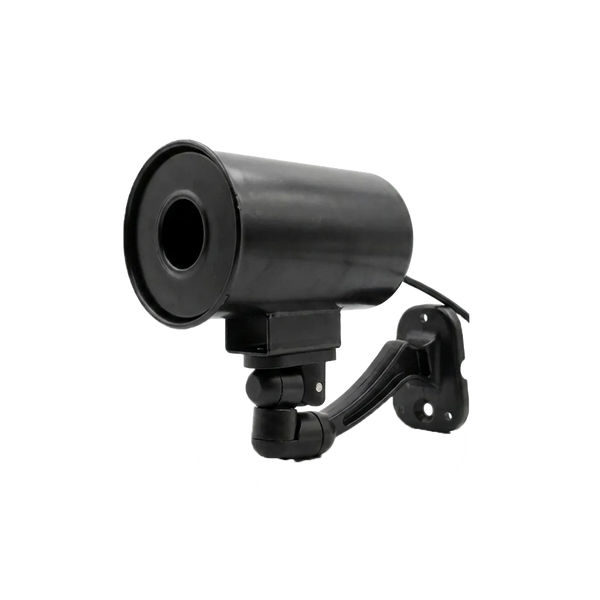
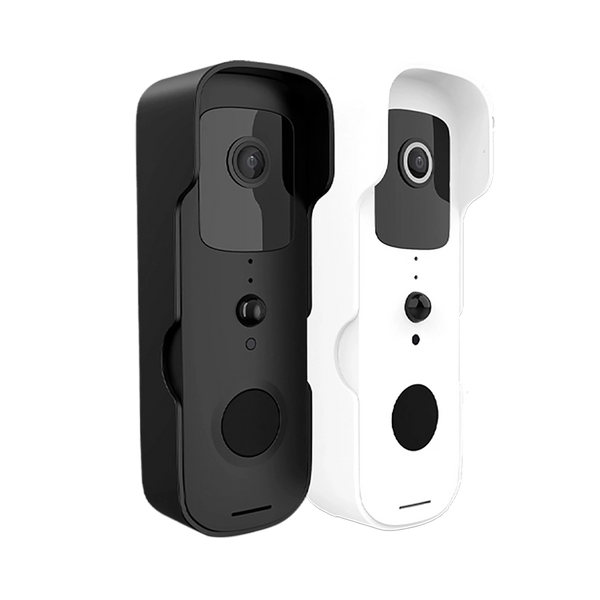
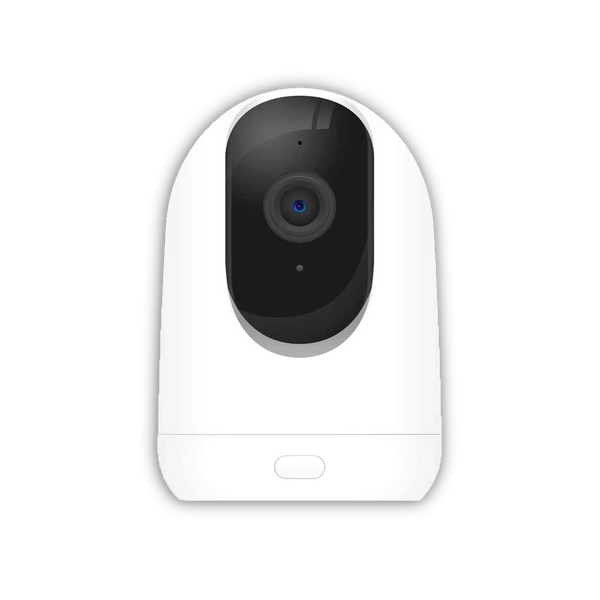
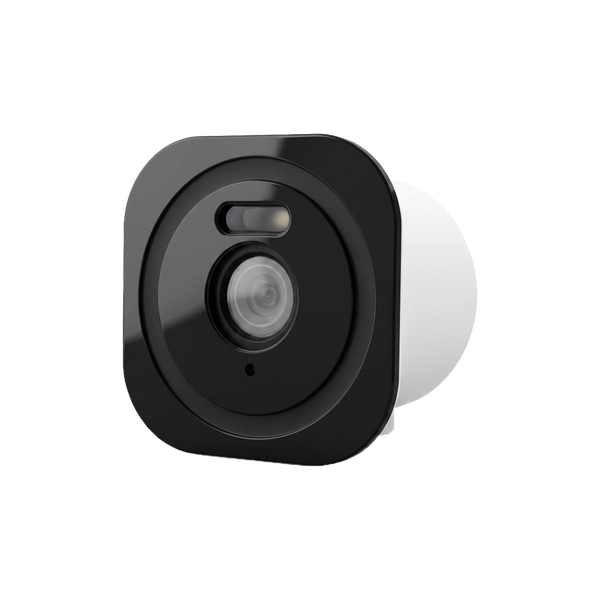
A few things are useful here: images that are usable in the dark too, audio so you can both listen and talk, and footage that is stored locally so you still have it afterwards. Indoors, the Neroo® Cam does this with 2K video, infrared night vision and a lens that rotates 355°; it works in the same free app as the alarm systems, so you can jump straight from the alarm alert to live video. Outdoors, the Havic SolarCam does the same, wireless and solar-powered, with motion detection that recognises people. At the front door, the BellMate Ultra gives you video and two-way audio, linked to your ShieldLink system in the same app.
You pay for these cameras once. There is no subscription behind them and no mandatory cloud: footage can be stored locally on a memory card.
What should you look for in an alternative?
If you go for a system that you buy and manage yourself, five points determine whether you will be happy with it for years:
- Does the system stay yours? Check whether you are buying the equipment or are only given it to use. If you buy it, you can take it with you when you move.
- What happens if the internet or power goes down? Look for a SIM card option for alerts by text message or call, and for a backup battery in the panel and in the siren.
- Can you verify for yourself? A camera or video doorbell in the same app instantly turns an alert into an image, so you know whether you need to call.
- Does the siren work independently? An outdoor siren with its own battery keeps sounding, even if the rest of the house has no power. Noise deters.
- Can you expand later? Start small and add sensors, smoke detectors, a camera or a video doorbell when you need them, without having to start over.

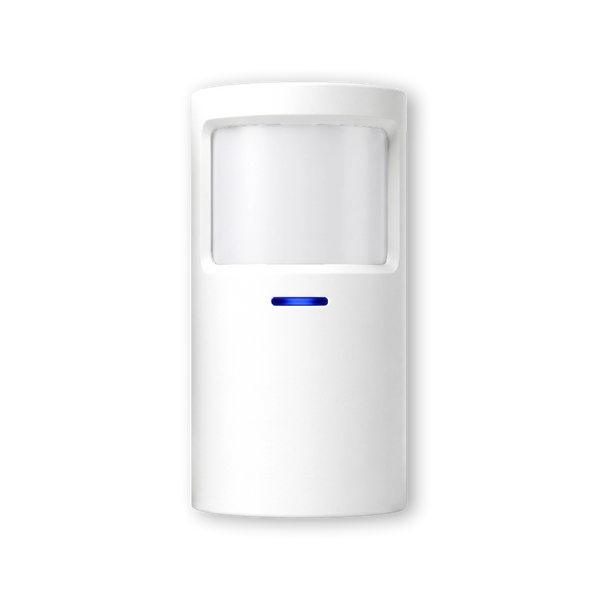
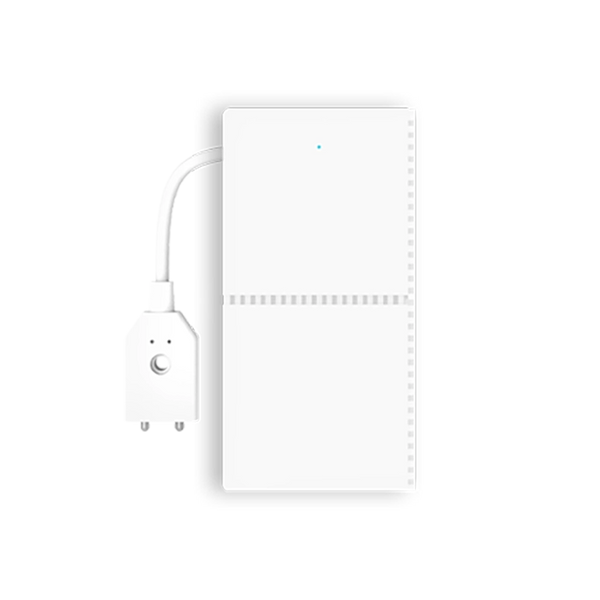
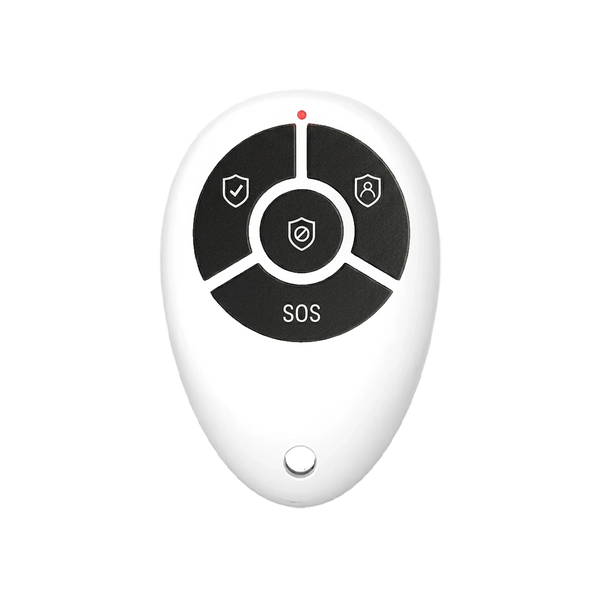
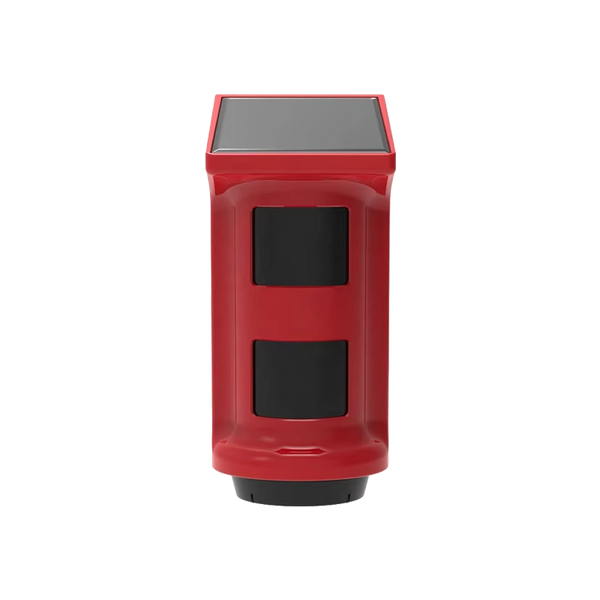
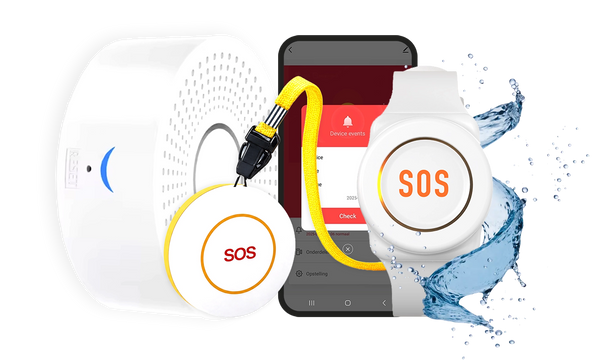
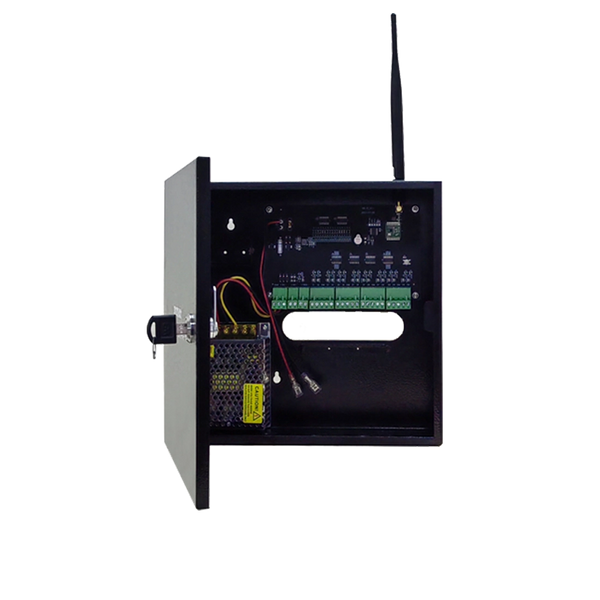
Neroo's ShieldLink systems are one such buy-to-own option. You pay once, the system is yours and there is no monthly fee. When the alarm goes off, you get an instant alert on your phone; with a SIM card in the panel, alerts also come through by text message and call if the Wi-Fi or power drops out. The outdoor siren has its own backup battery and so keeps working. You can expand later with extra sensors, smoke detectors, a camera or a video doorbell — all in the same app.
Who is still better off with a subscription?
Not everyone is better off without a subscription. If you want someone else to assess your alarm and act on it while you are unreachable, that is exactly the service you are buying. The same applies if your insurer or a certification requires the system to be connected to a private alarm receiving centre, or if you have a property where nobody comes for days at a time. In that case, ask your insurer in advance which requirements apply, as these vary from policy to policy.
If you are mainly looking for a system you manage yourself and where the bill stops after the purchase, a buy-to-own system is the logical choice.
So what is an alternative to Verisure?
An alternative to a security subscription is an alarm system you buy once and manage yourself: the alerts come straight to you, with a camera you can watch live yourself to see what is going on, and there is no monthly fee.


Our solution
Alarm system without a subscription
A one-off purchase, no ongoing monthly fee, and equipment that stays yours — even if you move house.
View the options
Frequently asked questions
Do the police respond to Verisure alerts?
The police respond to alerts where it is clear that something is going on. Verisure states on its website that the monitoring centre first verifies an alarm and then passes it on to the police control room. This also works without a monitoring centre: if you see on camera or with your own eyes that someone is breaking in, you call 112 and the police will respond. Whether a unit is sent out is decided by the police on the basis of the report and the available capacity.
Can Verisure view images?
According to Verisure's own explanation, when an alarm is triggered, operators assess images from photo or video detectors and can make contact with the premises via a two-way audio connection. What exactly has been agreed about images outside of an alarm event is set out in the provider's own terms and conditions and privacy statement; read these before you sign. With your own camera, you decide who watches and where the footage is stored.
How much does Verisure cost on average?
Verisure does not give a fixed price on its website: it is determined through a personal security survey. In our article How much does Verisure cost? we list the amounts that emerge from public sources and market data.
Can an alarm system without a subscription be connected to a monitoring centre?
That depends on the alarm receiving centre. Private alarm receiving centres set requirements for the equipment and for the way alarms are transmitted, and not every system meets them. If you want follow-up, first ask the alarm receiving centre which systems they accept.
What is the best home alarm?
There is no system that is best for everyone. The question that makes the difference is whether you want to watch and act yourself or outsource it. If you want to outsource it, you will end up with a provider with a monitoring centre and a monthly fee. If you want to do it yourself, a buy-to-own system with instant alerts and a camera is the better choice.
Sources and references
- Verisure Nederland, Verisure costs: how much does an alarm system cost? — accessed September 2026
- Verisure Nederland, Alerts to the police and Politie Live View — accessed September 2026
- Politie (Dutch National Police), Follow-up of hold-up alarms — accessed September 2026
- Flexteam Security, When are the police called after an alarm?
- Neroo.nl, Current product data for the ShieldLink systems, Neroo® Cam, Havic SolarCam and BellMate Ultra


