















In the past, an alarm system often meant running cables, drilling holes and having an installer come round. Fortunately, that has changed. Modern wireless alarm systems are specifically designed to be easy to install yourself.
But how easy is it really? Can you install an alarm system yourself without technical knowledge, or are you better off choosing professional installation?
The short answer: yes, in many cases you can easily install an alarm system yourself. Modern wireless systems with smart sensors and app control in particular are made for simple DIY installation.
Our solution
Install your alarm system yourself
ShieldLink® is a wireless alarm system without a subscription that you install yourself and control via a free app. Prefer some help? Neroo also offers an installation and configuration service.
See the options
Why are modern alarm systems easier to install?
The biggest change lies in the switch from wired to wireless alarm systems.
With older alarm systems, cables often had to be concealed in walls and ceilings. Today, many systems communicate wirelessly with the central unit.
As a result, you usually don’t need a complicated installation.
A wireless alarm system often consists of:
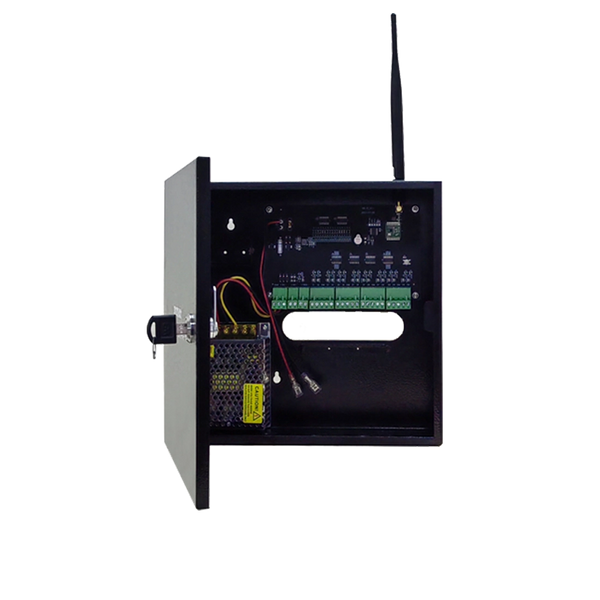
- a central alarm unit
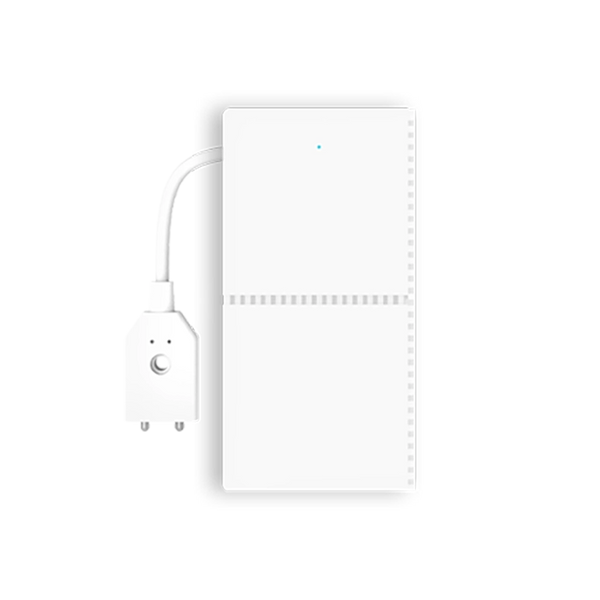
- door and window sensors
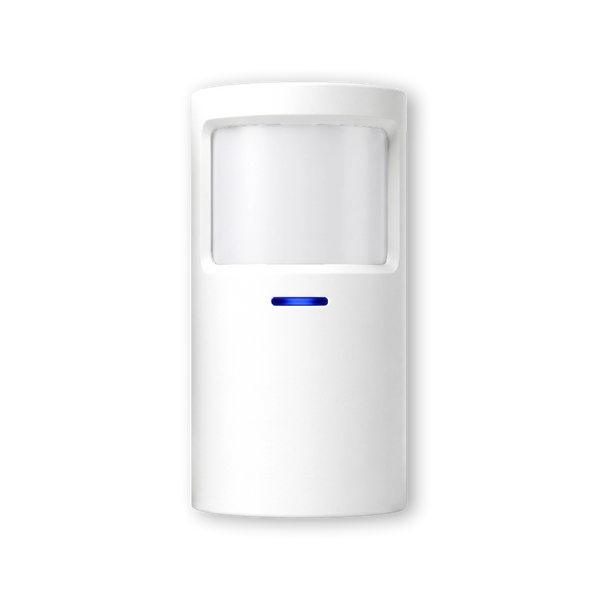
- motion detectors
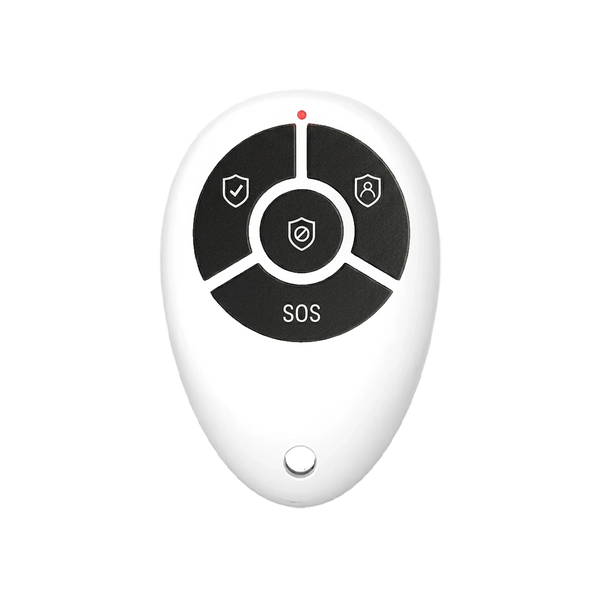
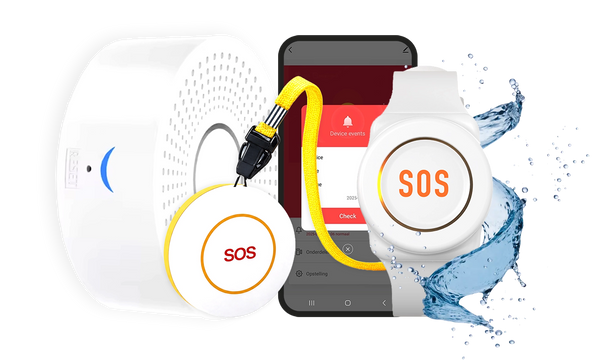
- a remote control or keypad
- control via an app
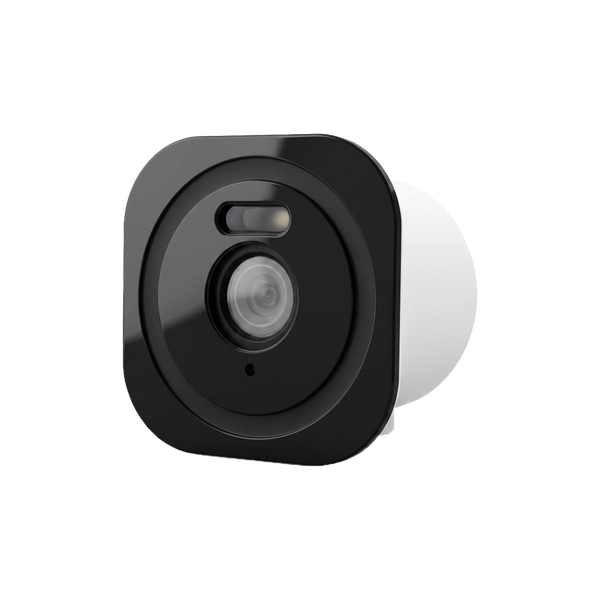
- optional sirens or cameras
You place the components in the right spot, pair them with the system and then test whether everything works properly.
How do you install an alarm system yourself?
Although every system works differently, installation usually consists of a number of fixed steps.
1. Prepare the installation
First, check which areas you want to protect.
For example:
- front door
- back door
- ground-floor windows
- hallway or living room
- garage or utility room
Good preparation prevents you from having to move sensors later.
2. Place the alarm system centrally
The central unit is the heart of your security. Ideally, place it where the system has a good connection with all sensors and where a built-in siren can be heard clearly.
Also always check that the internet connection is stable enough if the system works via Wi-Fi.
3. Mount the sensors
Door and window sensors detect when something is opened. Motion detectors recognise movement in important rooms.
Pay close attention to the position. A badly placed motion sensor can lead to poorer detection or unnecessary notifications.
Do you have pets? Then choose a suitable placement or sensors that suit your situation.
4. Set up the app and test everything
After pairing the components, you configure the rest of the system.
Always test:
- every door and window sensor
- all motion detectors
- the siren
- notifications on your phone
Only when everything responds properly can you be sure your home is well protected.
When is it better to use an installer?
Installing it yourself is mainly suitable for modern wireless alarm systems. Still, there are situations in which professional installation can be wise.
For example with:
- large commercial premises
- complex security plans
- extensive wired systems
- special alarm receiving centre installations
Advice can also be useful if you are unsure about the right placement of sensors.
Neroo: designed for easy self-installation
An alarm system should protect you, not make things more complicated. That’s why Neroo’s alarm systems are designed for easy installation and everyday use.
With a Neroo alarm system you benefit from wireless installation, free app control, instant notifications, smart sensors, expandable security and integrations with other smart devices — without mandatory subscription fees.
You can start with basic security and later easily expand with extra sensors, cameras or sirens.
That way you build, step by step, a security system that suits your home.


What should you pay extra attention to when installing it yourself?
A well-placed alarm system works better. So pay particular attention to:
- sufficient range between sensors and the central unit
- good Wi-Fi coverage
- smart placement of motion detectors
- testing the system regularly
- checking batteries
A few extra minutes of attention during installation ultimately results in better security.
Can I install an alarm system myself?
Yes, you can usually install a modern wireless alarm system yourself quite easily by following the manual, placing the sensors carefully and testing the system thoroughly before you use it.
Our solution
Install your alarm system yourself
ShieldLink® is a wireless alarm system without a subscription that you install yourself and control via a free app. Prefer some help? Neroo also offers an installation and configuration service.
See the options
Frequently asked questions
1. Do I need technical knowledge to install an alarm system?
No, with many modern wireless alarm systems no technical knowledge is needed. The systems are designed for DIY installation with clear steps and app support.
2. Do I need to drill to fit an alarm system?
That differs per system and component. Many wireless sensors can be fitted easily, while some accessories need to be mounted more firmly.
3. How long does it take to install an alarm system?
That depends on the number of components. A simple system with a few sensors can often be set up quickly. A large home with many sensors takes more time.
4. Where do I place motion detectors?
You usually place motion detectors where someone has to walk through, such as a hallway, living room or the access to important rooms.
5. Can I add extra sensors later?
Yes. Many modern alarm systems are modular. You can later add extra door contacts, motion detectors, sirens or other accessories.
Sources and references
-
Univé – Installing an alarm at home yourself
https://www.unive.nl/woonverzekering/zelf-alarm-installeren -
GAMMA – Fitting an alarm system
https://www.gamma.be/nl/doe-het-zelf/a/alarmsysteem-plaatsen -
Livios – How to install a wireless alarm system yourself
https://www.livios.be/nl/artikel/20159/hoe-een-draadloos-alarmsysteem-zelf-installeren/ -
ABUS – DIY alarm system
https://www.abus.com/nl/Assortiment/Smart-Home/DIY-alarmsysteem


