















Short answer: There is no best alarm system, but there is a best system for your home. What fits depends on three things: where someone would get into your home, who can respond to an alert, and how you want to arm and disarm the system day to day. A terraced house, a detached house with a shed, an apartment and a rented home each end up with a different setup as a result.
Our solution
Home alarm system
Worked out per living situation: what you need, where it goes and why. So you can quickly see which setup suits your home.
View the options
Key takeaways
- The number of sensors means nothing if they're in the wrong place. Start with the route in, not with the package.
- Terraced house: the back is the focus — back door, patio doors and the gate to the rear access path.
- Detached: more façade, more windows and often a shed or garage far from the control panel.
- Apartment: often one entrance and a balcony door; communal areas aren't yours to drill into.
- Rented home: choose what you can remove without leaving a trace and what moves with you.
- The Dutch police single out sliding patio doors as vulnerable to break-ins and recommend a specially suitable lock for them.
- The alarm is the finishing touch: locks and hinges, lighting and visibility from the street do most of the work.
“What is the best home alarm system?” is a question with no honest short answer, at least not in the form of one brand or one package. What does exist is a way to work it out for your home. And that doesn't start with specifications, but with the floor plan.
Why there is no “best” system
Package comparisons often revolve around the number of sensors: eight is better than four. But eight sensors guarding the wrong places are worth less than three that sit exactly on the route someone would use to get in. A system is good if it covers the spot where things go wrong in your home — and that spot differs from home to home.
On top of that, “good” is also about whether you keep using it. A system that is cumbersome to arm and disarm will be switched off within three months. Convenience isn't a luxury, it's a safety factor.
Three questions to answer first
1. Where would someone get in? Walk around your home as if you were locked out. Where would you try? That's almost always the back, out of sight. The Dutch police explicitly call a sliding patio door vulnerable to break-ins and recommend a specially suitable lock for it. Also look at what's lying around in the garden: ladders, wheelie bins or other things someone could use to climb up don't belong against the façade.
2. Who can respond? Are you usually nearby, or are you regularly an hour away? That determines whether a notification in the app is enough or whether you want a second alert route via SMS and a phone call. For people who are often away, that's the key difference between control panels.
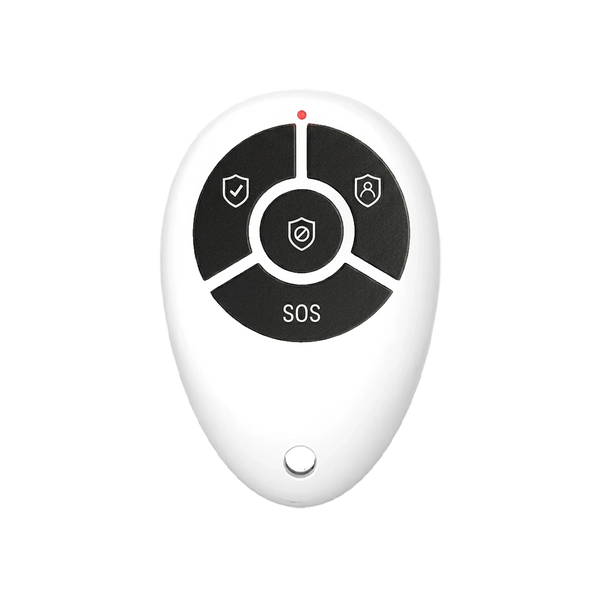
3. How do you want to arm and disarm? If there are children in the house or you regularly have guests, a key fob is more practical than a code. If it's just the two of you and everything goes through the phone, you don't need one. This question seems minor, but in practice it decides whether the system stays switched on.
Terraced or end-of-terrace house
The front of a terraced house is in full view of the street and the neighbours. The back isn't, and that's where it happens. A rear access path with a gate, a fence that provides cover, patio doors that open onto a terrace: that's the side to start with.
A practical setup: door/window contacts on the back door and the patio doors, one motion detector in the room you enter from that side, and only then the front door. With an end-of-terrace house, the side wall comes into play, because it often has a window or door that's hard to see from the street.
The Dutch police also advise locking the gate to the rear access path properly and lighting the garden, and keeping shrubs around the house short so that neighbours and passers-by can still see your home. That costs nothing and removes most of the opportunity.
Detached house, with a shed or garage
Here the calculation changes in two ways. There are more points of entry — four façades instead of two — and there's often a separate building on the property: a shed, a garage, a summer house with tools inside.
That separate building is exactly where range comes into play. A standard sensor is designed for distances within a home. If the shed is at the bottom of the garden or behind a concrete wall, that's the moment to look at the Elite line: the ShieldSense Elite and LockSense Elite use LoRa and, together with the ShieldLink® Elite control panel, bridge distances of up to 500 metres, with a signal that gets through walls and floors well.
So before you choose, measure the distance from the furthest point you want to protect to where the control panel will go. That one number matters more than any package.
Apartment
In this respect an apartment is simple: usually one front door and a balcony or terrace door, and that's it. A compact setup is enough, and you rarely have range problems.
Two things are different, though. The stairwell, the access gallery and the storage corridor are communal areas and not yours to drill into or monitor — for those you depend on the owners' association. And if you have a storage unit in the basement, it's often separate from your home; if you want to include it, look at the distance again.
If you live on a higher floor, the balcony is less attractive to intruders but not irrelevant: via an access gallery or a neighbouring balcony there is sometimes still a route.
Rented home
Here it's not the technology but the conditions that lead. The Dutch central government (Rijksoverheid) states that in the Netherlands you don't need your landlord's permission for changes you can undo without much cost — holes in the wall that you fill later are the example given. Bigger alterations do require that permission.
A wireless system falls into the first category, which makes the choice simple: choose a setup that you can remove without a trace when you leave and that moves with you to your next home. Also bear in mind that the control panel needs a power socket, so check where there is one in the hall or living room before you decide on the spot.
What to think about first
Whatever your type of home, the same order applies, and it's not the order of the webshop. The Dutch police state that homes with the Dutch Police Secure Housing quality mark (Politiekeurmerk Veilig Wonen) are up to 90% less likely to suffer a successful break-in, and that quality mark starts with locks, hinges and lighting. The basic advice is sober and free:
- Lock windows and doors, even if you're only out for a moment, and actually turn the key in the door.
- Fit a suitable lock on a sliding patio door, as these are vulnerable to break-ins.
- Lock the gate to the rear access path and make sure the garden is lit.
- Keep shrubs around the house short, so that neighbours and passers-by can still see your home.
- Don't leave ladders or wheelie bins against the façade.
- Leave a light on when it's dark and you're not at home.
- Don't leave a key under the mat or in a flowerpot and don't put an address label on your key ring.
The alarm system comes after that. It makes an attempt noisy and short, and it lets you know something is happening — but it doesn't replace a sound lock.
Which kit goes with it?
All kits can be expanded later, so you don't have to plan the whole house in one go.

ShieldLink® Lite — Complete
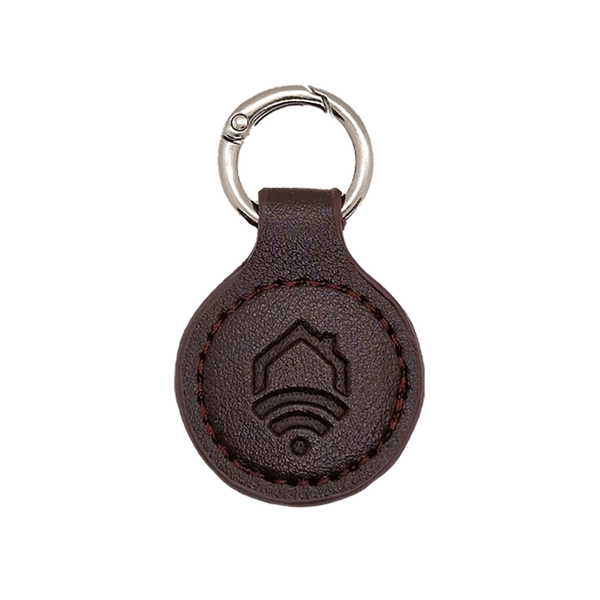
For an apartment or rented home. Arm and disarm with RFID key fobs, control via the Smart Life app, and nothing you need to repair when you move out.
View product
ShieldLink® Plus — Complete
For the terraced house. Dutch-language colour touchscreen, control via app or remote, and an external siren that keeps working during a power cut.
View product
ShieldLink® Pro — Complete
For people who are away more often. With the optional SIM card, alerts also come in via SMS and a phone call, even if the Wi-Fi or power goes down.
View productIf you have a shed, garage or outbuilding far from the control panel, look at the Elite line with LoRa. It reaches distances that a standard sensor can't bridge.
Our solution
Home alarm system
Start with the doors where someone would get in and expand whenever it suits you. No cables through the wall, no monthly contract.
View the options
What is the best home alarm system?
The best system is the one that covers the route someone would use to get into your home, that reaches you in a way that suits how often you're away, and that is so easy to arm and disarm that it actually stays on — and for a terraced house, a detached house, an apartment and a rented home, that means a different setup each time.
Frequently asked questions
How many sensors do I need for an average house?
That's the wrong question to start with. First count the entry points someone would realistically use, usually at the back, and cover those. A motion detector in the room that route leads into catches the rest. You can always expand later.
Where do burglars usually get in?
On the side that's out of sight. The Dutch police explicitly name the sliding patio door as vulnerable to break-ins and recommend a specially suitable lock for it, and also point to a gate on the rear access path, tall shrubs that block the view, and ladders or wheelie bins someone could use to climb up.
Is an alarm system useful in an apartment?
Yes, but you often need less: usually a front door and a balcony or terrace door. Communal areas such as the stairwell and the access gallery fall under the owners' association and aren't yours to monitor. If you have a basement storage unit, bear in mind the distance to the control panel.
Can I install an alarm system if I rent in the Netherlands?
According to the Dutch central government (Rijksoverheid), you don't need your landlord's permission for changes you can undo without much cost, such as holes you fill later. A wireless system falls into that category and moves with you as well.
What if my shed is too far from the control panel?
Then you choose sensors with more range. The ShieldSense Elite and LockSense Elite use LoRa and, together with the ShieldLink Elite control panel, bridge distances of up to 500 metres, with a signal that gets through walls and floors well.


