















Short answer: The best known: that you are not properly protected without a subscription, that wireless doesn't work without Wi-Fi, that it is unreliable, that you are always replacing batteries, that the police won't come anyway, that it is only for big houses and that pets always cause false alarms. None of those seven is entirely true.
Our solution
A wireless alarm system without a subscription
With ShieldLink® you get notifications on your own phone, with no monthly fees. With the Pro or Elite and a SIM card, also by text message and phone call.
View the options
Plenty of stories circulate about wireless alarm systems. Some once had a grain of truth, others are simply outdated. Below are seven misconceptions we hear often, with the honest answer, even when that answer is nuanced.
Myth 1: without a subscription you are not properly protected
A subscription usually pays for a monitoring centre or private alarm receiving centre that follows up the notifications for you. The security itself, the sensors that detect a break-in, the siren and the notification that comes in, does not need that subscription.
With a system without a subscription, you get the notification on your phone and decide for yourself what happens. The honest difference: no centre is watching along with you. So agree on who will take action if you happen to miss a notification. You can read more about this choice in what is the best home alarm without a subscription.
Myth 2: a wireless alarm doesn't work without Wi-Fi
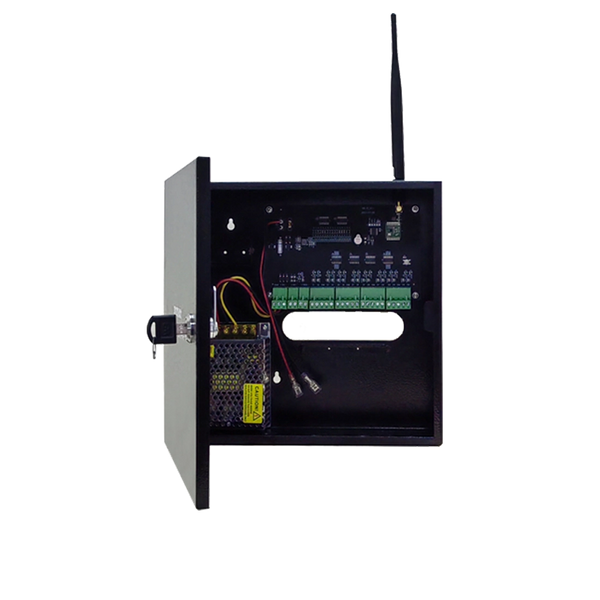
Wireless is not the same as Wi-Fi. With ShieldLink®, the sensors talk directly to the control panel over their own radio connection (433 MHz for the standard sensors), not via your Wi-Fi network.
You do need internet to receive notifications in the app. If you also want to be alerted when the Wi-Fi goes down or where there is no Wi-Fi, such as in a shed or holiday home, the ShieldLink® Pro and Elite have a SIM card slot. With a SIM card, notifications come in by text message and phone call, and you can even operate the system with SMS commands.
Myth 3: wireless is unreliable
The standard ShieldLink® sensors reach about 150 metres to the panel, and the Elite versions with LoRa up to 500 metres: more than enough for an ordinary home. If the power fails, the panel keeps running on its backup battery for up to 24 hours.
What wireless does ask of you: sensors in the right place and batteries you replace in time. You can read about the security of wireless systems in is a wireless alarm system safe, and the trade-off against a wired system in choosing wireless or wired.
Myth 4: you are constantly replacing the batteries
It's true that the sensors run on batteries. But they are economical, and you don't have to touch them every few months:
- the LockSense Pro door/window contacts last up to 4 years on one battery, the standard LockSense two years less;
- the SmokeSense smoke detector has a built-in battery that lasts up to ten years;
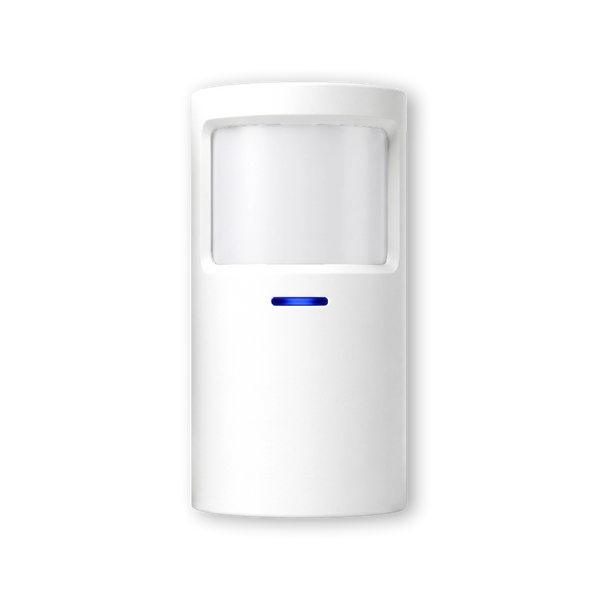
- a ShieldSense motion detector simply clicks off when the battery needs replacing.
The control panel itself is plugged into the mains and also has a backup battery for when the power fails.
Myth 5: the police won't come anyway
That is too simplistic. The Dutch police themselves ask you to call 112 if you see a break-in happening somewhere. If you see live on your camera that someone is inside, or you hear it, call 112. The Dutch police cite a burglar alarm as an example of a report where police are needed immediately.
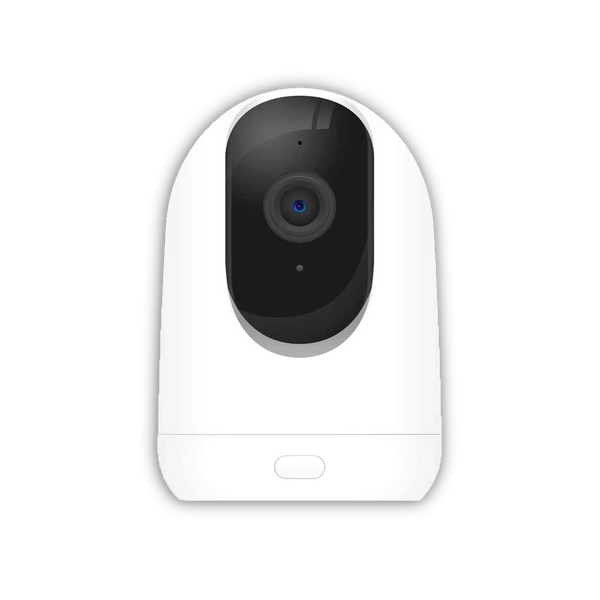
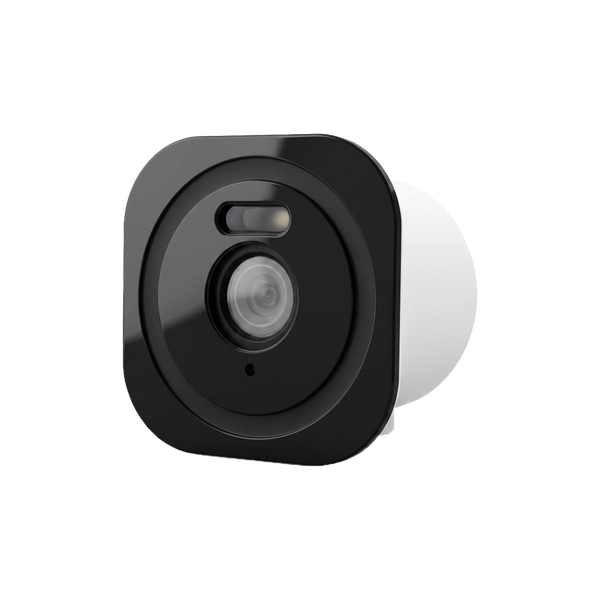
The verification requirement you may have heard about concerns automatic signals that come in via a private alarm receiving centre: such a centre first checks whether something is really going on. That's why it helps if you can watch along straight away when you get a notification, for example with a Neroo® Cam, which works in the same app as your alarm system.
Myth 6: an alarm system is only for big houses
In a flat or small home there are often only a few places where a burglar can get in: the front door, a balcony or back door and ground-floor windows. A panel with a few sensors in those places is already a good start, and because the system is modular, you can expand whenever you like.
You stick the LockSense door/window contacts on with the supplied adhesive, without screws or tools. That's handy in a rented home. Rather not do it yourself? Neroo offers an Installation Service with a technician and a Configuration Service, in which the sensors are paired and labelled in advance. You can read which situations wireless is a good choice for in who is wireless the best choice for.
Myth 7: pets always cause false alarms
A motion detector reacts to movement, so also to a dog or cat roaming freely through the house. But an alarm system consists of more than motion detectors. Door/window contacts react to doors and windows being opened, and a ShockSense glass-break detector to shocks and vibrations at windows and doors. Mainly mount motion detectors in rooms your pet doesn't enter when the alarm is on. You can read where best to mount a motion detector in where to mount a motion detector.

Door/window contacts on doors and windows react to opening. If you're still unsure about a notification, you can check live with a camera in the same app whether it's just your pet.
So what misconceptions exist about wireless alarm systems?
Mainly that you are not properly protected without a subscription or Wi-Fi and that wireless is unreliable, whereas the sensors work over their own radio connection, you receive the notifications yourself and the panel keeps running on its backup battery during a power cut.


Our solution
A wireless alarm system without a subscription
With ShieldLink® you get notifications on your own phone, with no monthly fees. With the Pro or Elite and a SIM card, also by text message and phone call.
View the options
Frequently asked questions
Does a wireless alarm system work without internet?
The sensors talk to the control panel over their own radio connection, not via Wi-Fi. Notifications in the app require internet; with a SIM card, the ShieldLink® Pro and Elite can also alert you by text message and phone call.
How long do the sensor batteries last?
It varies by sensor. The LockSense Pro door/window contacts last up to 4 years, the standard LockSense two years less, and the SmokeSense smoke detector has a built-in battery lasting up to ten years.
Will the police come when my alarm goes off?
If you see or hear a break-in happening, for example live on your camera, call 112: the Dutch police ask for this themselves. The verification requirement applies to automatic signals that come in via a private alarm receiving centre.
Do you need a subscription to get notifications?
No. With ShieldLink® you receive notifications in the app without a subscription. For notifications by text message and phone call with the Pro or Elite, you do need your own SIM card.
Can you use an alarm system if you have a dog or cat?
Yes. Door/window contacts react to doors and windows being opened, not to a pet walking around. Motion detectors do react to movement, so mount them in rooms your pet doesn't enter when the alarm is on.
Sources and references
- Politie (Dutch police), Bel 112 als u ziet dat ergens wordt ingebroken — accessed September 2026
- Politie (Dutch police), Zo werkt de noodhulp — accessed September 2026
- Politie (Dutch police), De particuliere alarmcentrale gaat eerst zelf verifiëren. Wat gaat een PAC dan precies doen? — accessed September 2026


