















Short answer: Secure your home in four layers: make the outside unattractive (light, visibility, nothing to climb on), fit approved locks and hardware, add detection with an alarm or camera that warns you, and watch your own habits with keys and when you are away. Each layer costs a burglar time or draws attention.
Our solution
Detection and alarm as an extra layer
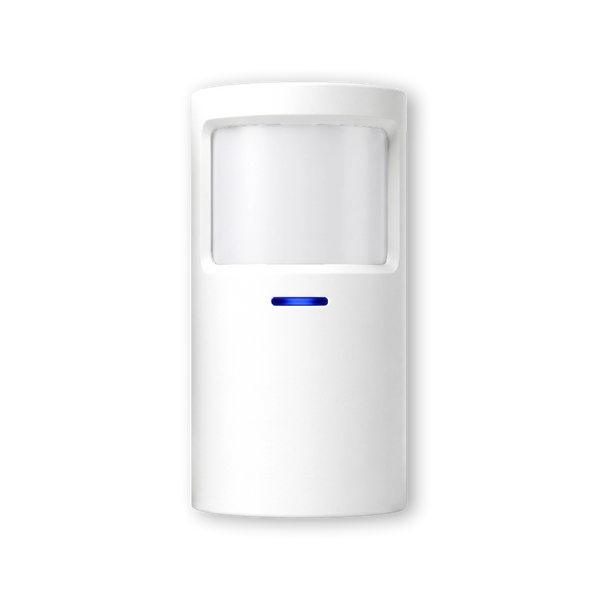
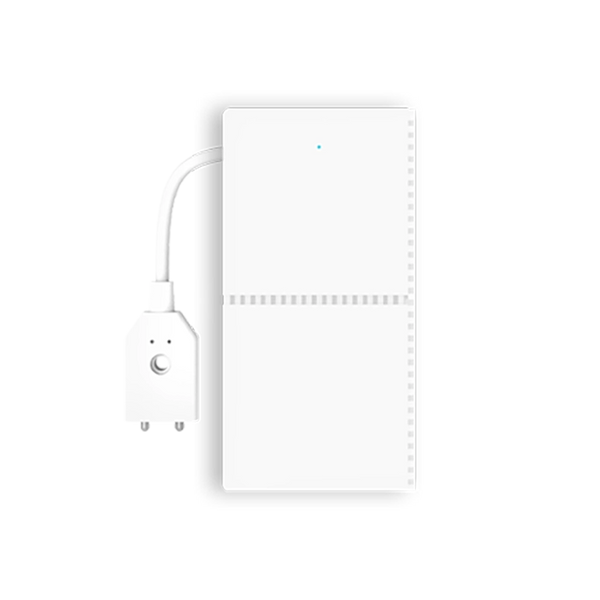
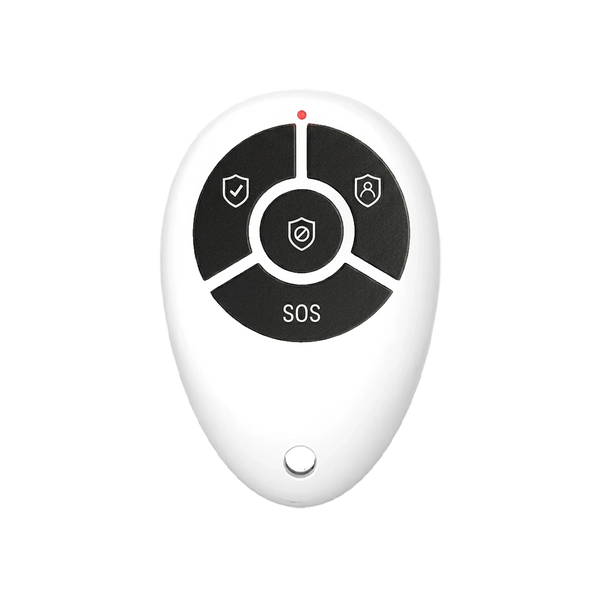
ShieldLink® is a wireless alarm system without a subscription: sensors on doors, windows and inside the house, a siren and a notification on your phone. You install it yourself or have it installed.
View the options
Why think in layers?
A burglar wants to get in quickly and unseen. According to the Dutch government campaign Maak het ze niet te makkelijk ("Don't make it too easy for them"), it often takes a burglar only thirty seconds to get into a poorly secured home. The Dutch Police Quality Mark for Secure Housing (Politiekeurmerk Veilig Wonen) puts it the other way round: burglars usually don't want to spend too long and often skip homes with good security measures.
That is why a single measure rarely works on its own. A good lock does little if the key is under the mat, and an alarm doesn't stop someone from forcing a weak back door. So think in layers: each layer makes it harder, slower or more conspicuous. According to the Dutch government, the right measures reduce the risk of a burglary by up to 90%.
- Layer 1, the outside: make sure your home doesn't look inviting.
- Layer 2, locks and hardware: make sure doors and windows can't be opened quickly.
- Layer 3, detection and alarm: make sure you notice if someone tries anyway.
- Layer 4, habits: make sure you don't undermine the other layers yourself.
Layer 1: the outside
First impressions count. A burglar checks whether he can reach a door or window unseen and whether there is anything to climb on. The Dutch police and the Politiekeurmerk give concrete tips for this:
- Outdoor lighting: a light with a dusk sensor or motion sensor at the front door, the back door and the rear alley or back path.
- Visibility: keep shrubs and hedges short, so neighbours and passers-by can see your façade, doors and windows. Doors and windows hidden behind fences or trees are more attractive to burglars.
- Nothing to climb on: put away ladders, wheelie bins and other items someone could use to reach an upstairs window or balcony.
- Garden gate locked: a locked gate makes the back of the house harder to reach.
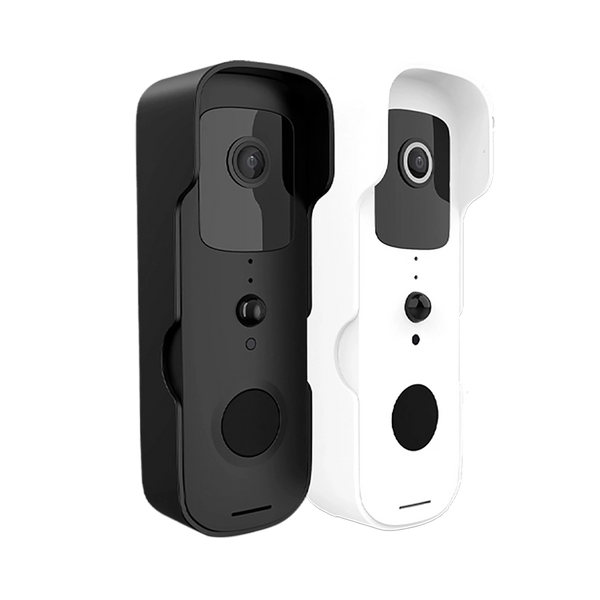
- See who is at the door: a door viewer, glass next to the door or a video doorbell.

Light at the door, a low hedge and nothing to climb on: the outside is the cheapest layer. Walk around your house in the dark and see where you yourself could stand unseen.
Layer 2: locks and hardware
This is the layer that costs a burglar the most time, and therefore often the most important one. According to the Dutch National Burglary Prevention Foundation (Stichting Nationale Inbraakpreventie), quoted by the Dutch Association of Insurers (Verbond van Verzekeraars), thirty to forty percent of front and back doors have such a poor lock or fittings that a burglar is inside within one minute.
- Approved locks and hardware: the Politiekeurmerk recommends approved locks on windows, doors and skylights. You can recognise them by the Dutch SKG® logo with stars; the more stars, the more burglar-resistant.
- Sliding patio door: a sliding door is particularly vulnerable to burglary and deserves a special lock.
- Upper floor: don't forget balcony doors, windows and roof windows upstairs, especially if there is an extension or shed underneath.
- Have it checked: not sure whether your locks are good enough? In the Netherlands, a certified PKVW company can assess your home and fit approved locks and hardware.
The Politiekeurmerk Veilig Wonen has existed for more than thirty years and sets requirements for locks and hardware, lighting and visibility. The Dutch government brochure states that these requirements reduce the chance of a successful burglary by up to 80%, because a burglar needs longer to get in.
Layer 3: detection and alarm
An alarm or camera doesn't physically stop anyone. What it does do: you know immediately when someone opens a door or window or moves around inside, a siren goes off that draws attention, and you can act quickly. The Dutch government campaign brochure also states that a camera or a dog acts as a deterrent. So see detection as an addition to layers 1 and 2, not as a replacement.
This is what a detection layer looks like in practice:
- Doors and windows: door/window contacts report when a door or window opens. A shock or glass-break detector already responds to vibrations at the glass.
- Inside: a motion detector in the room someone has to pass through, such as the hallway or living room. Also read where to mount a motion detector.
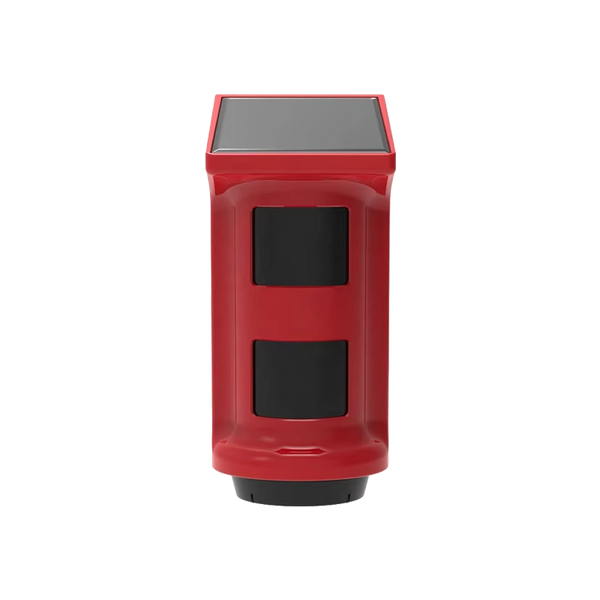
- Outside: an outdoor siren with a flashing light on the façade shows that there is an alarm. An outdoor detector with siren and light responds before someone even reaches the door.
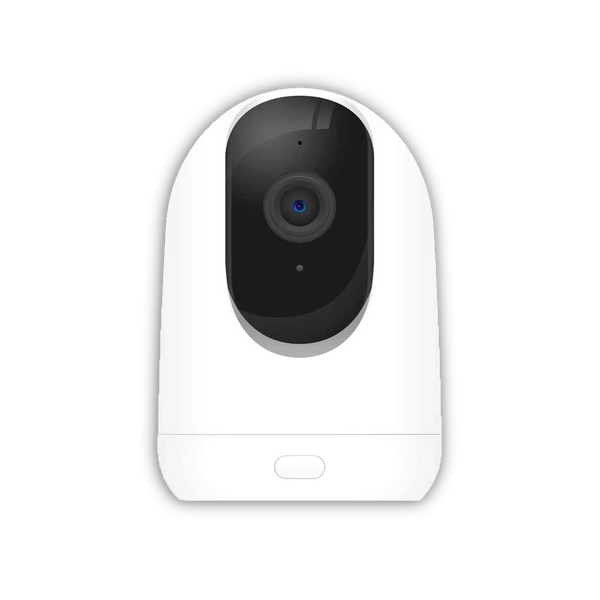
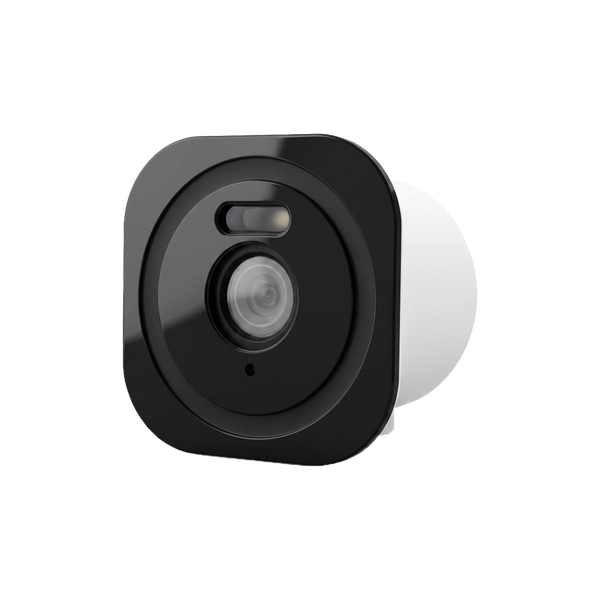
- Notification and image: a notification on your phone, and optionally a camera to see what is going on.
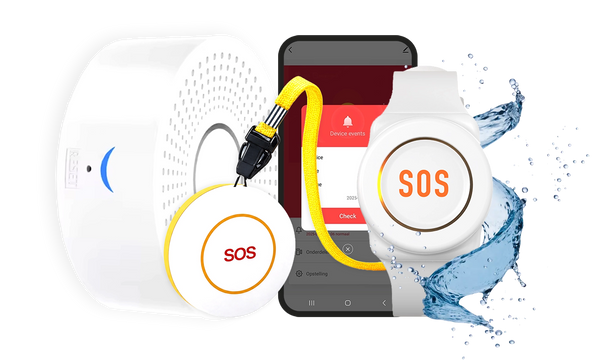
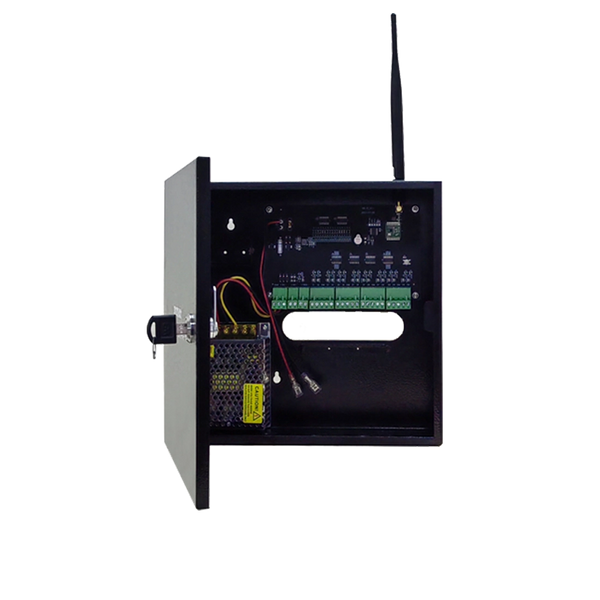
Neroo's ShieldLink® alarm system works without a subscription. When the alarm is triggered, the siren goes off and you get a notification in the app. The Pro and Elite control panels have a SIM card slot, so you also get a text message or call during a Wi-Fi outage or power cut. The control panel has a backup battery that keeps working for up to 24 hours. You can read how that works technically in how does a wireless alarm system work.
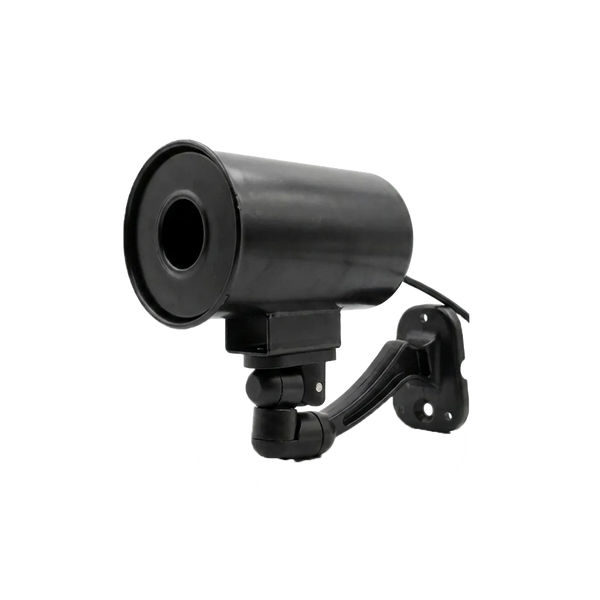
Want to mount a camera outside? Point it at your own house, garden or driveway. The Dutch police point out that you are not allowed to film the public road or your neighbours' property.
Layer 4: your own habits
The best locks don't help if the door isn't locked. Many of the Dutch police's tips are about habits:
- Always lock up: close windows and doors, even if you are only out briefly, and lock the door with the key.
- Keys: don't hide a key under the mat or in a flowerpot, don't leave the key in the lock on the inside and don't attach an address label to your keyring.
- Out of sight: don't leave laptops, tablets and other valuables visible in front of the window.
- Register: note serial numbers and take photos of valuables, for example with the Dutch Stop Heling app.
- Absence: leave a lamp on a timer in the evening and don't put a note on the door saying you are out. Going away for longer? Then read how to secure your home when you go on holiday.
- Neighbours: make arrangements with your neighbours, or join a WhatsApp neighbourhood watch group.
- Suspicious? Call 112 if you see something suspicious. The police say: you know your neighbourhood best.
The checklist at a glance
| Layer | Check | Why |
|---|---|---|
| 1. Outside | Outdoor light with sensor or dusk switch, shrubs short, ladders and bins put away, garden gate locked | A burglar wants to stay unseen |
| 2. Locks and hardware | SKG® locks on doors and windows, an extra lock on the sliding door, the upper floor too | Costs a burglar time |
| 3. Detection and alarm | Sensors on doors and windows, motion detector, siren, notification on your phone, optionally a camera | You notice it and it draws attention |
| 4. Habits | Always locked, no hidden keys, valuables out of sight, arrangements with neighbours | The other layers only work if you use them |
Where do you start?
Start with what delivers the most for the least money: your habits and the outside. Then the locks and hardware, especially on the back door, the sliding door and windows that can be reached from the garden. An alarm system is the layer on top: it warns you if the first layers weren't enough. Not sure which kit suits your home? Then take a look at what the best alarm system for your home is.
So how do you protect your home from burglary?
By combining four layers: an outside with light and visibility, approved locks and hardware, detection with an alarm that warns you, and habits that don't undermine the rest.


Our solution
Detection and alarm as an extra layer
ShieldLink® is a wireless alarm system without a subscription: sensors on doors, windows and inside the house, a siren and a notification on your phone. You install it yourself or have it installed.
View the options
Frequently asked questions
What is the most important measure against burglary?
Good locks and hardware that you actually use. A burglar wants to get in quickly; locks that cost time make your home less attractive. Combine that with light, visibility and an alarm for the best protection.
What is the Politiekeurmerk Veilig Wonen?
A Dutch quality mark that has existed for more than thirty years and sets requirements for, among other things, locks and hardware, outdoor lighting and visibility around the home. A certified PKVW company can assess your home and fit approved locks.
How do I recognise a good lock?
By the Dutch SKG logo with stars. The Politiekeurmerk recommends approved locks and hardware on windows, doors and skylights, and a special lock on a sliding door.
Do I need an alarm system if I have good locks?
It is not mandatory, but it is a useful extra layer. Locks slow a burglar down; an alarm makes sure you notice, makes noise and gives you the chance to act quickly.
Does outdoor lighting help against burglary?
Yes, the Dutch police and the Politiekeurmerk recommend it. Choose a light with a dusk switch or motion sensor at the front door, the back door and the back path, so nobody can reach your doors unseen.
Sources and references
- Politie (Dutch police), Tips om woninginbraak te voorkomen — accessed September 2026
- Politie (Dutch police), Mag ik thuis een videocamera installeren als preventiemiddel tegen inbraak? — accessed September 2026
- Politiekeurmerk Veilig Wonen, Politiekeurmerk Veilig Wonen (homepage) and Preventietips — accessed September 2026
- Rijksoverheid (Dutch government), Maatregelen tegen woninginbraak — accessed September 2026
- Rijksoverheid (Dutch government), campaign Maak het ze niet te makkelijk, Voorkom woninginbraken (brochure, December 2023) — accessed September 2026
- Verbond van Verzekeraars (Dutch Association of Insurers), Inbrekers gaan niet op vakantie (July 2021) — accessed September 2026


